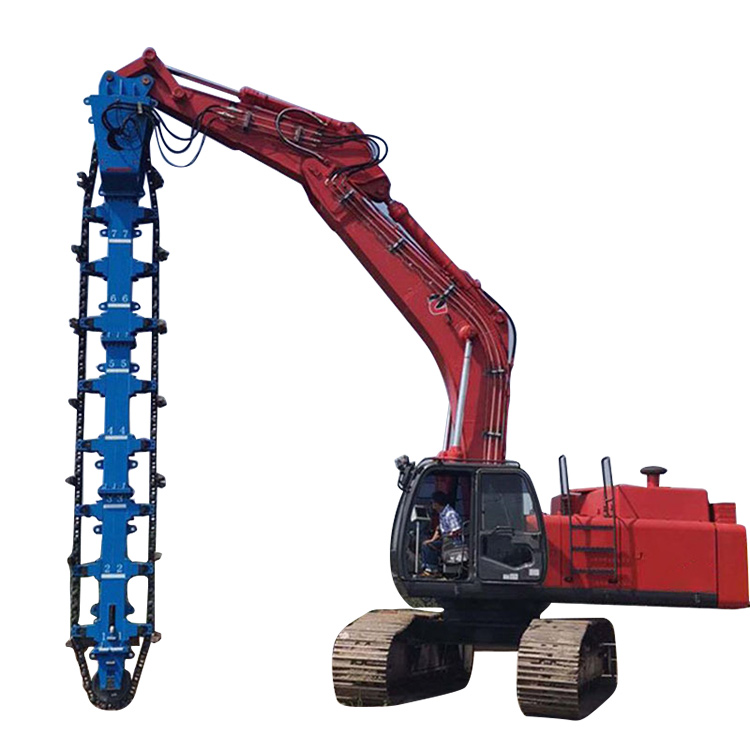
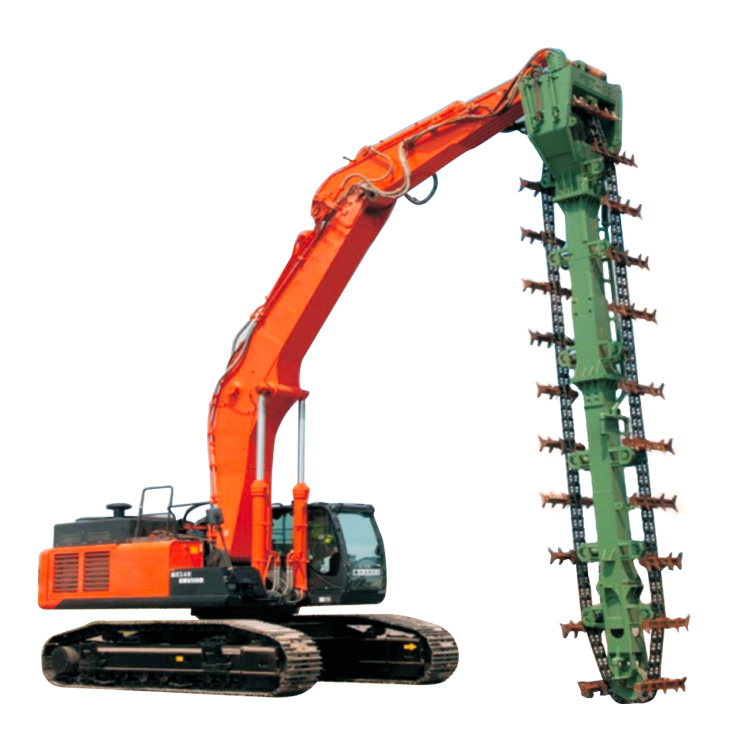
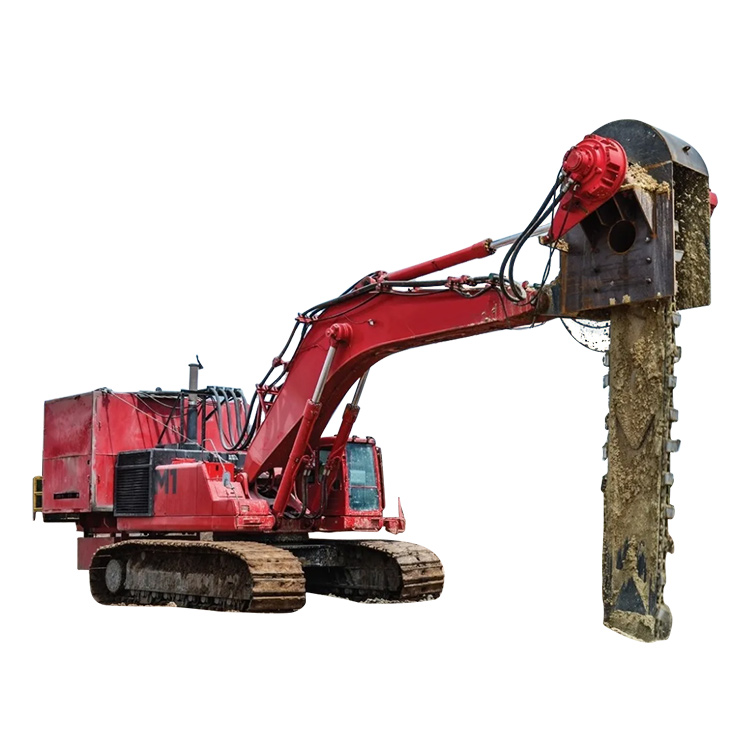
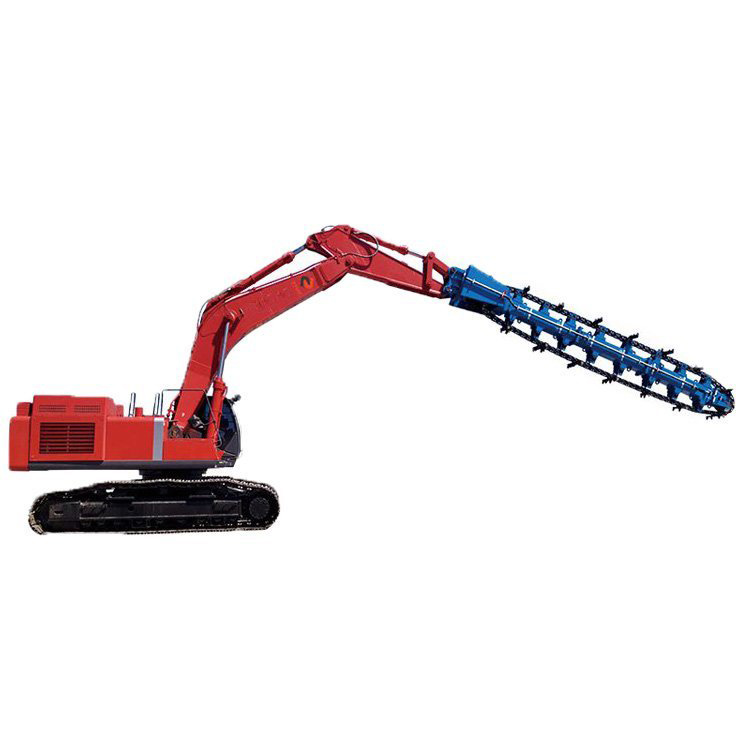
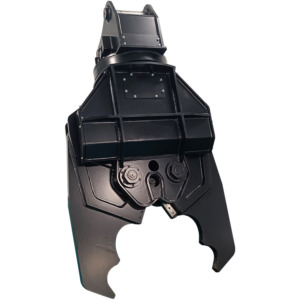
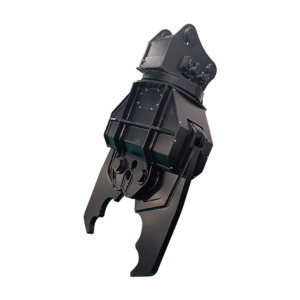
1. Product Overview & Core Functionality
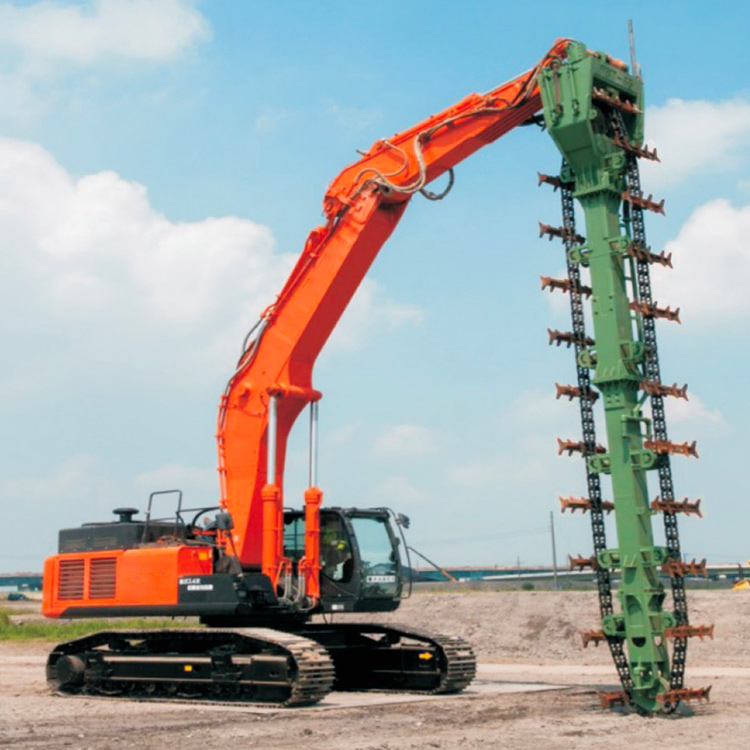
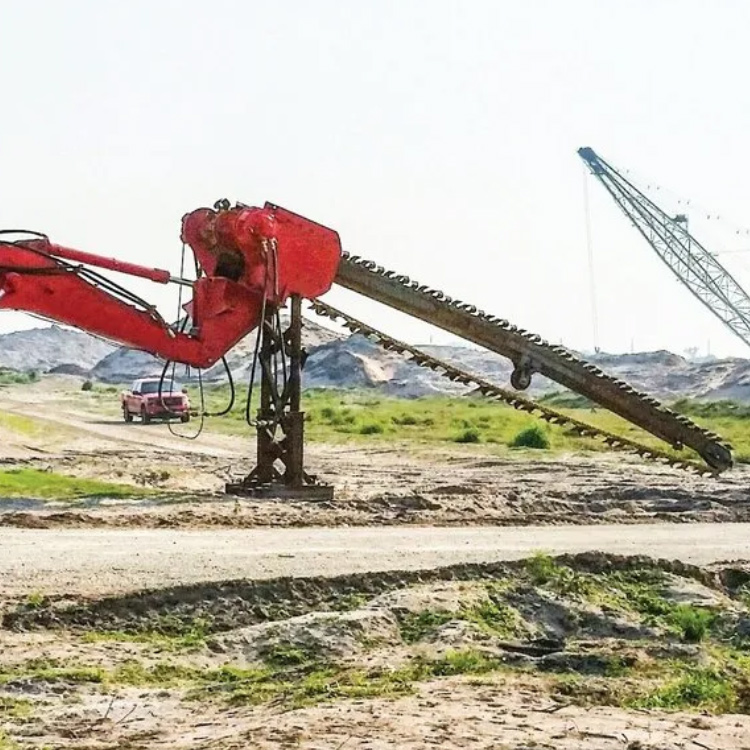
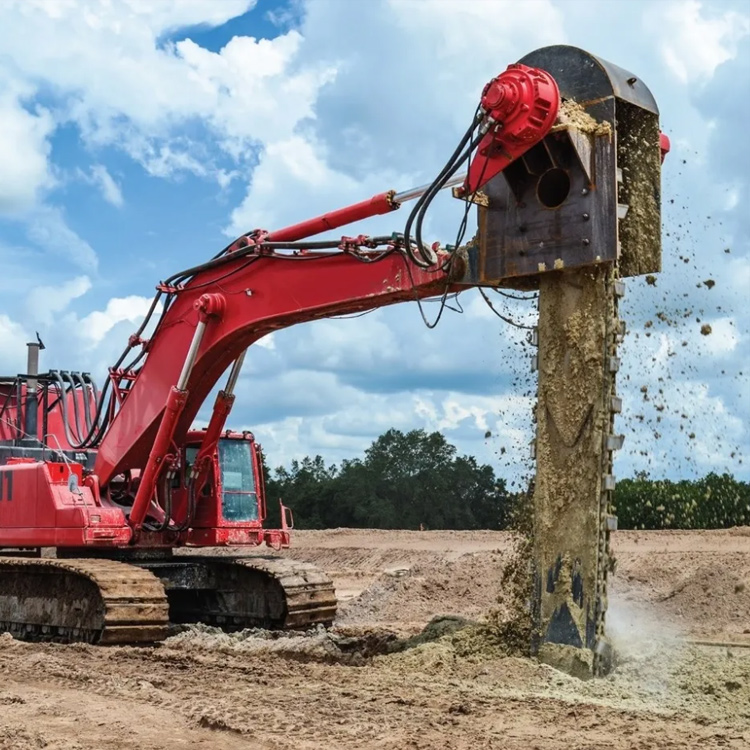
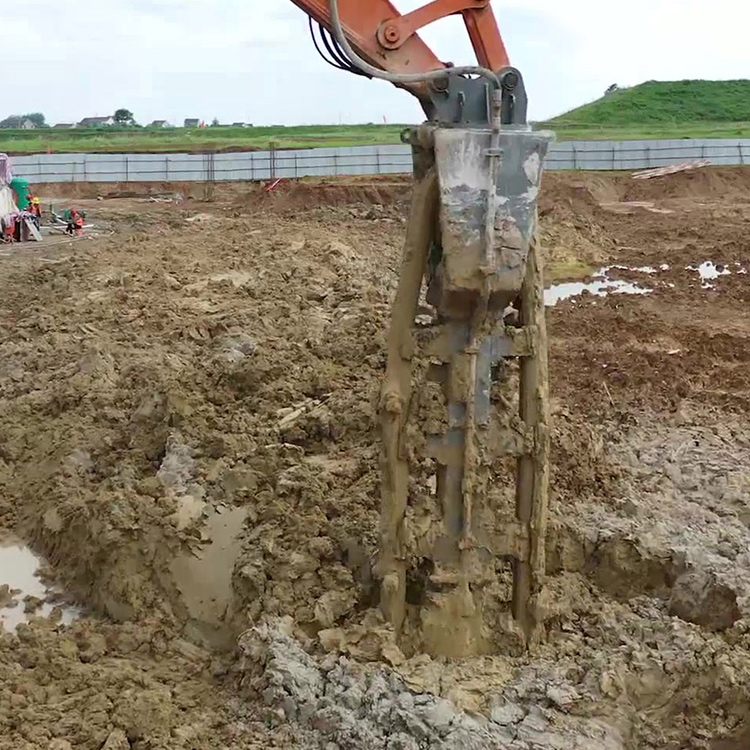
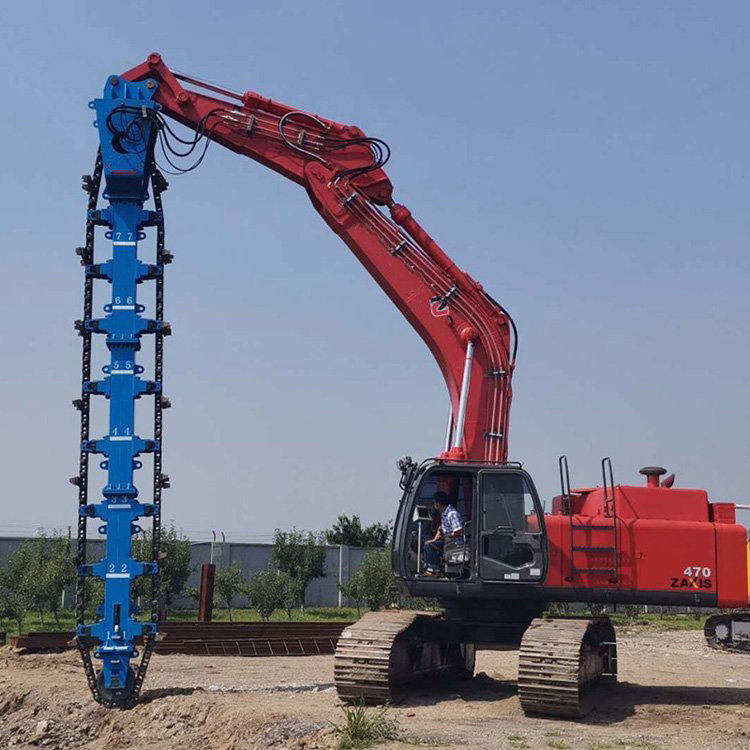
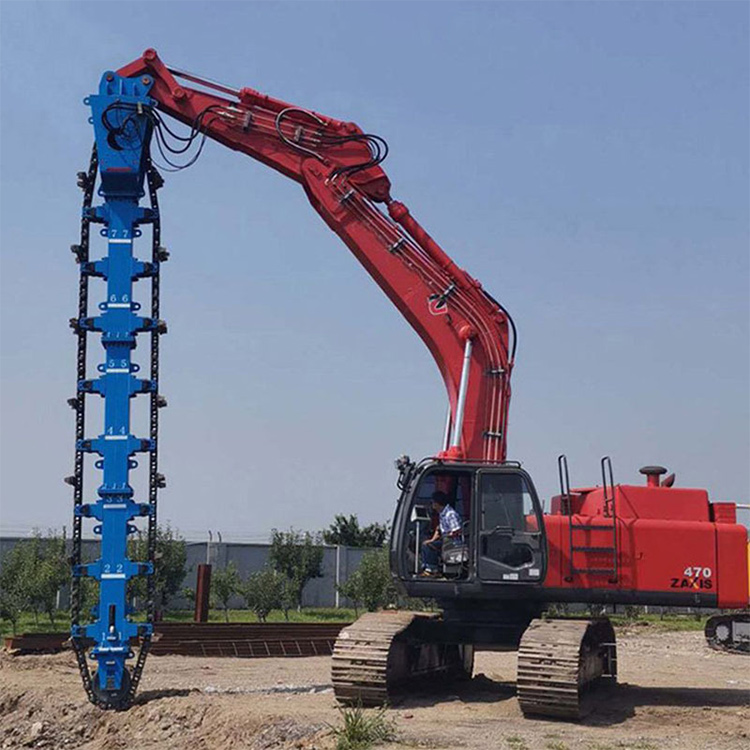
The Soil Stabilization Attachment is built for projects where weak or wet ground must be treated before the next construction step begins. Installed on an excavator, it mixes in-situ soil with cementitious binders or other stabilizing agents to improve strength and working consistency. This treatment helps the ground hold shape more effectively and makes the construction area easier to manage. It is useful where unstable soil can slow progress or create support problems.
2. Key Application Scenarios
A Soil Stabilization Attachment is especially helpful on road work, embankment sections, utility corridors, and platform preparation. Instead of removing large volumes of material, crews can treat the soil where it sits. This saves handling steps and gives the operator more direct control over the treated zone. On projects with changing soil conditions, that flexibility is a clear advantage.
3. Operational Advantages & Precision Control
Because the attachment works with excavator movement, it can reach narrow areas and follow planned lines with better accuracy. That is important when the work is close to foundation edges, trench walls, drainage structures, or other restricted zones. The operator can manage overlap between passes and keep the stabilization area more consistent from start to finish. This supports a cleaner workflow and more predictable ground treatment.
4. Mixing Mechanism & Treatment Benefits
The mixing action helps distribute stabilizing material through the soil body rather than concentrating it in just a few sections. A more even blend can improve load support, surface integrity, and resistance to deformation after treatment. For contractors, the Soil Stabilization Attachment provides a practical path between simple excavation and larger fixed stabilization systems. It fits projects that need mobility, control, and dependable daily output.
5. Target Site Adaptability
This product can be used for subgrade improvement, access road preparation, trench edge support, slope correction, and working platform treatment. It is also relevant for sites with soft clay, silty fill, wet backfill, or variable material that does not provide stable support in its natural state. By improving the quality of the soil already on site, crews can move more efficiently toward the next phase of construction.
6. Market & Stakeholder Value
For suppliers and buyers, the Soil Stabilization Attachment has wide application value because it answers a common site problem with a compact excavator solution. It can be offered to civil contractors, utility builders, infrastructure teams, and foundation crews that need stronger and more reliable ground conditions. The attachment is practical, easy to position, and well suited for everyday stabilization work.