Overview and Core Application Scenarios
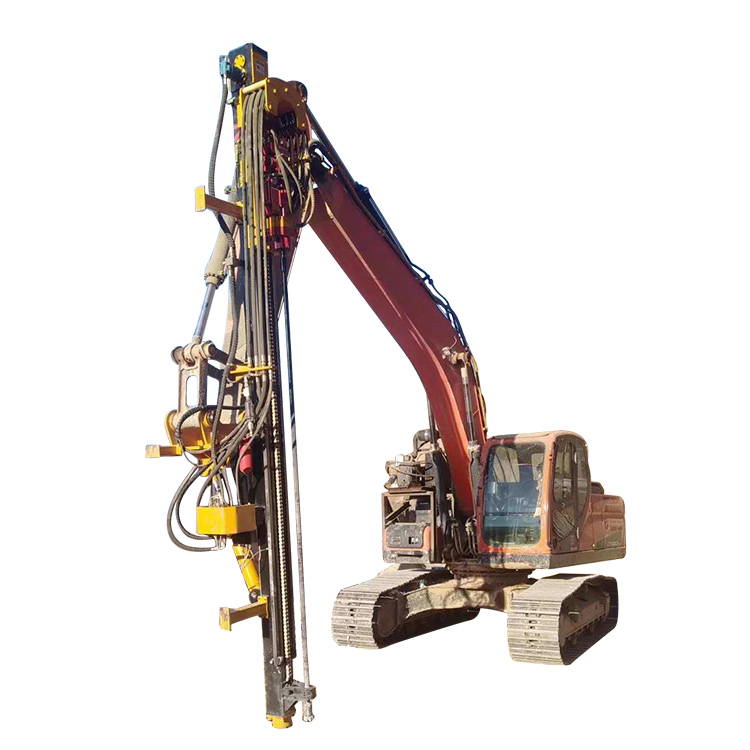
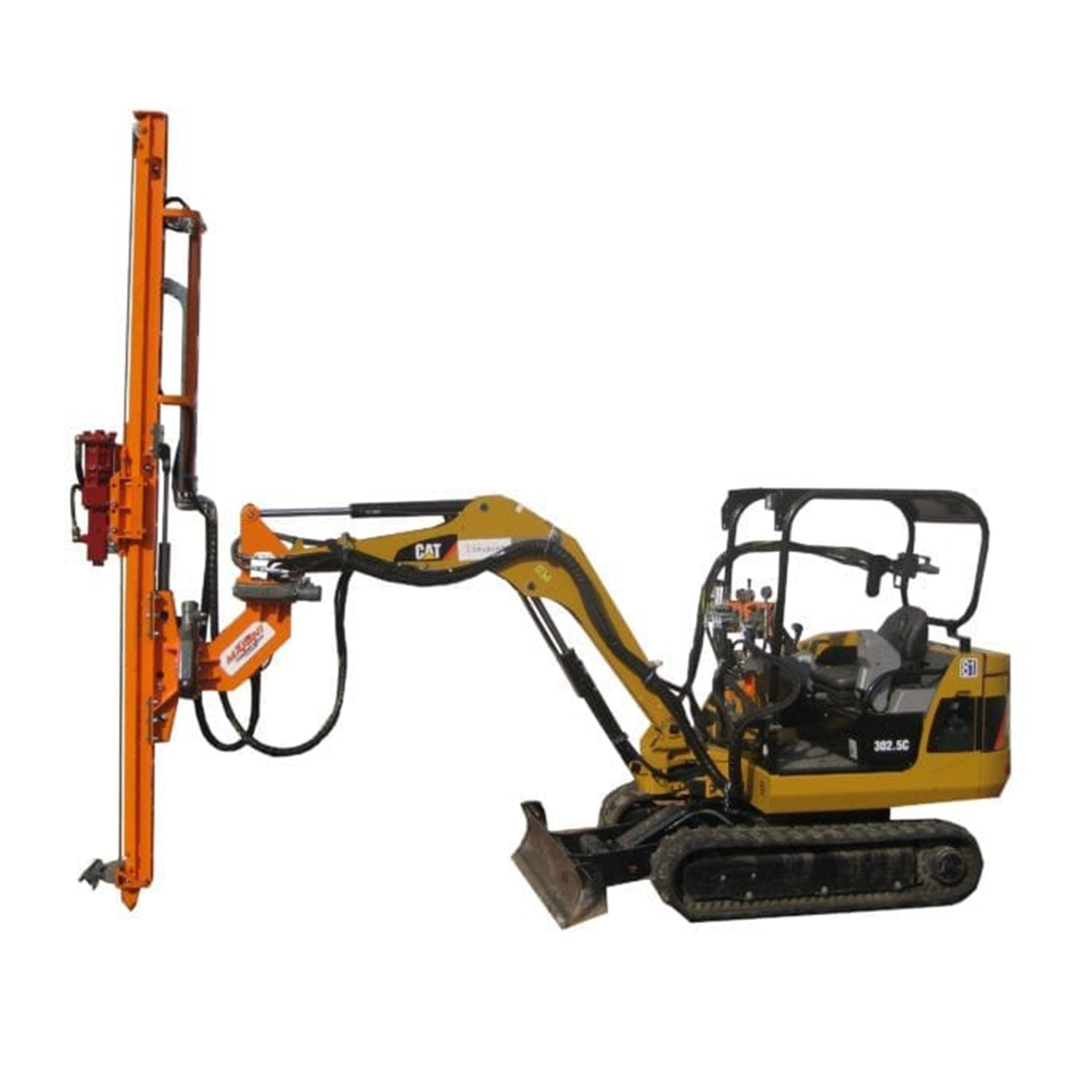
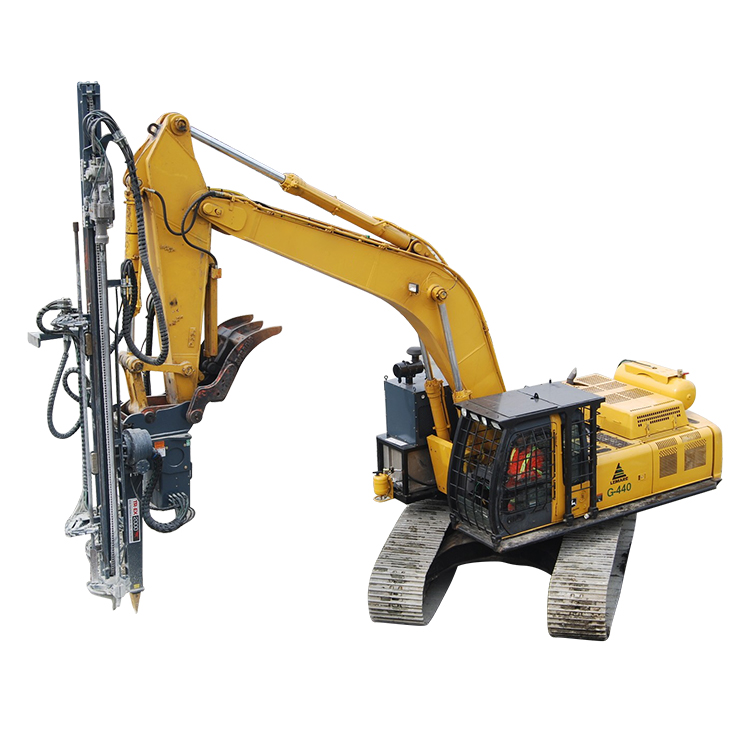
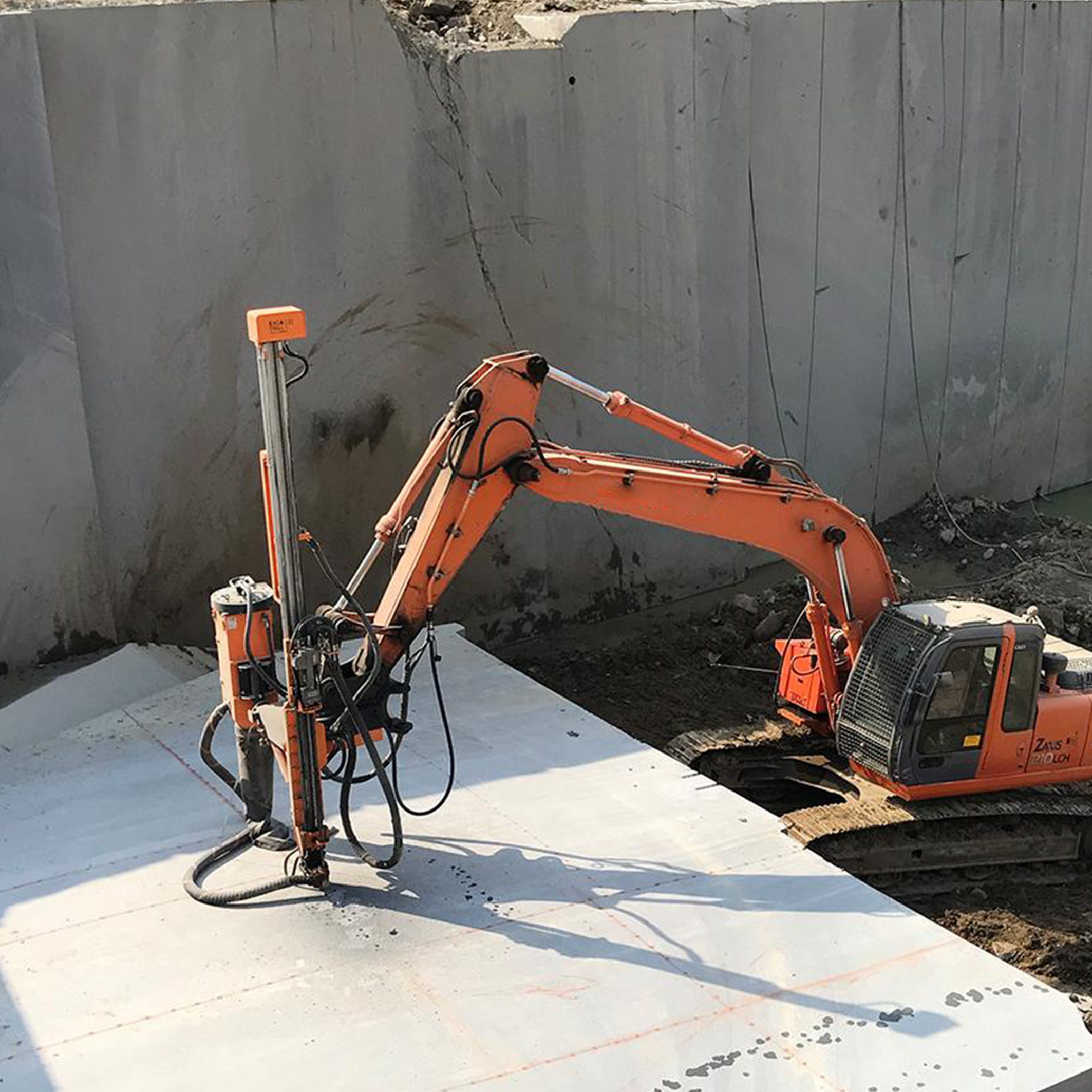
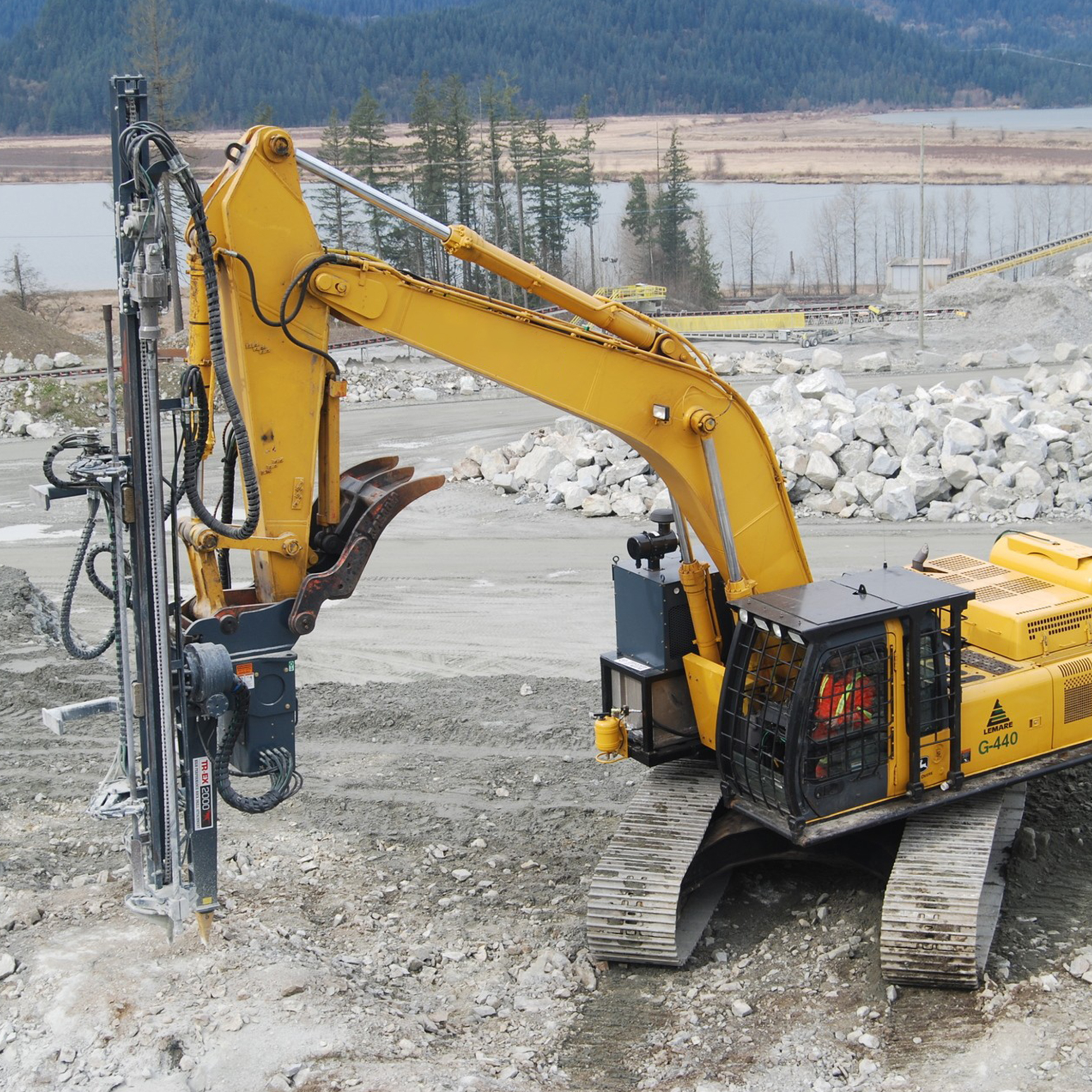
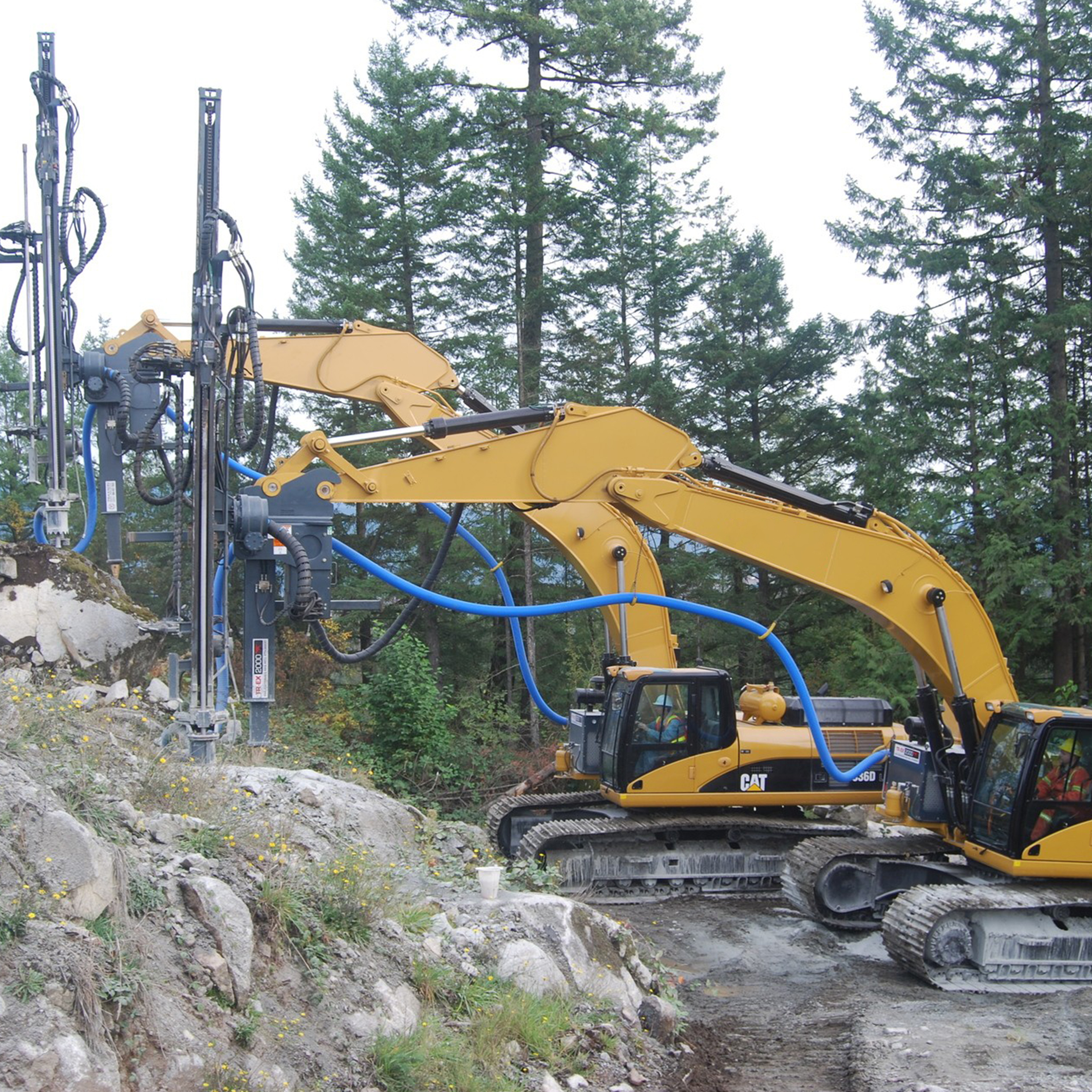
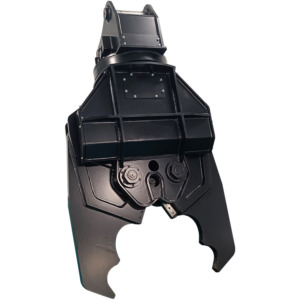
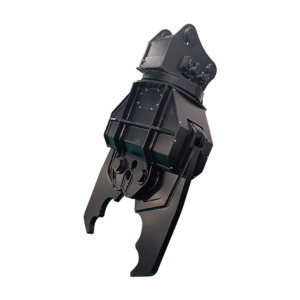
The Rock Drill Attachment offers a flexible way to add drilling capability to compatible carriers, especially excavators used on surface and civil projects. Contractors choose this type of attachment when they need mobility, easier positioning, and a more compact setup than a separate dedicated drill rig. It works well for rock drilling, slope support, quarry activity, and foundation preparation on sites where access, angle, and space all affect productivity.
Adaptability to Complex Jobsite Conditions
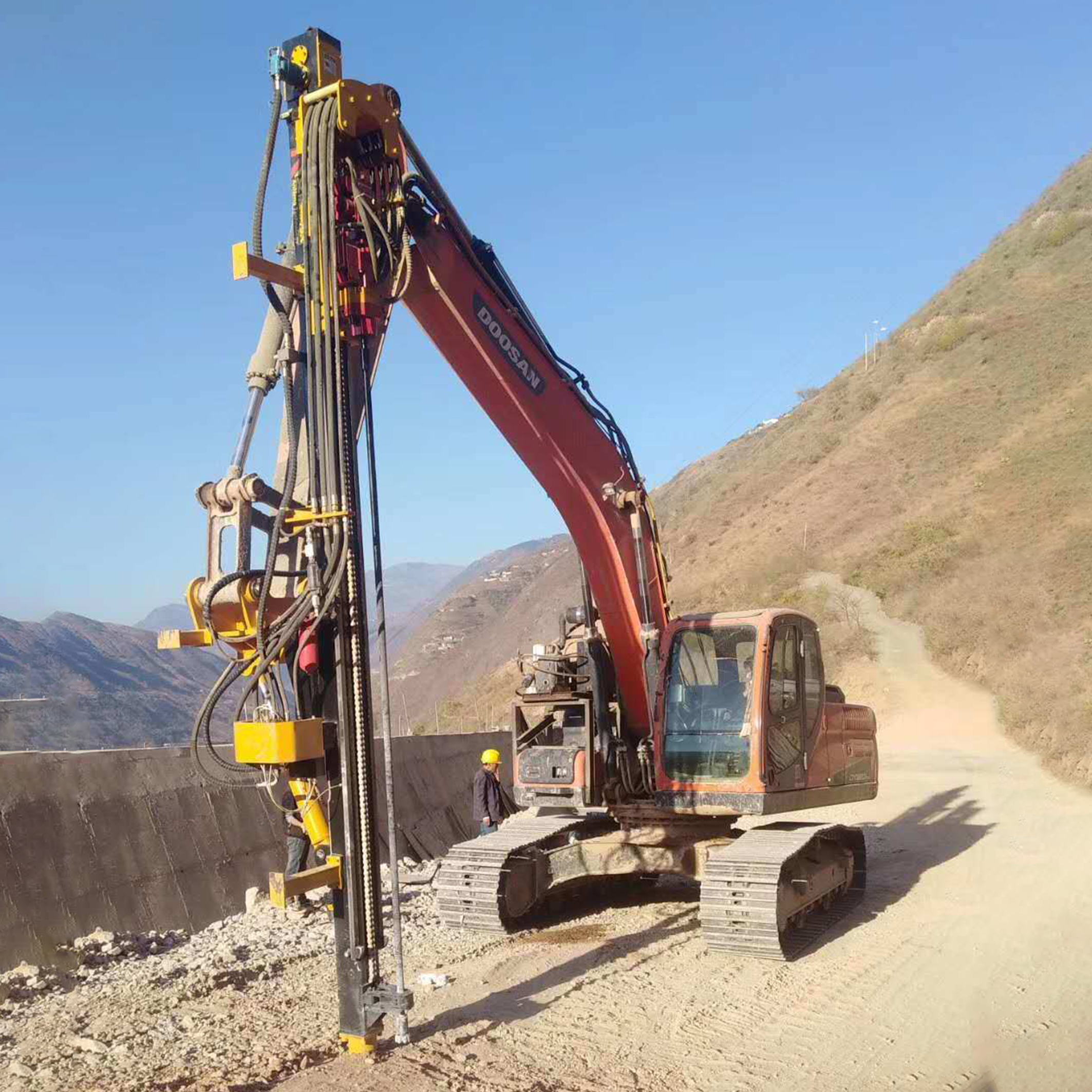
A Rock Drill Attachment becomes especially useful when crews work on rough ground or around irregular structures. Mounted on an excavator, it can approach drill points along embankments, walls, benches, and narrow jobsite paths. That helps contractors handle work on mountain roads, quarry faces, trench lines, and unstable slopes. Instead of bringing another carrier, the team can use an attachment solution that keeps the site layout simpler.
Key Applications Across Industries
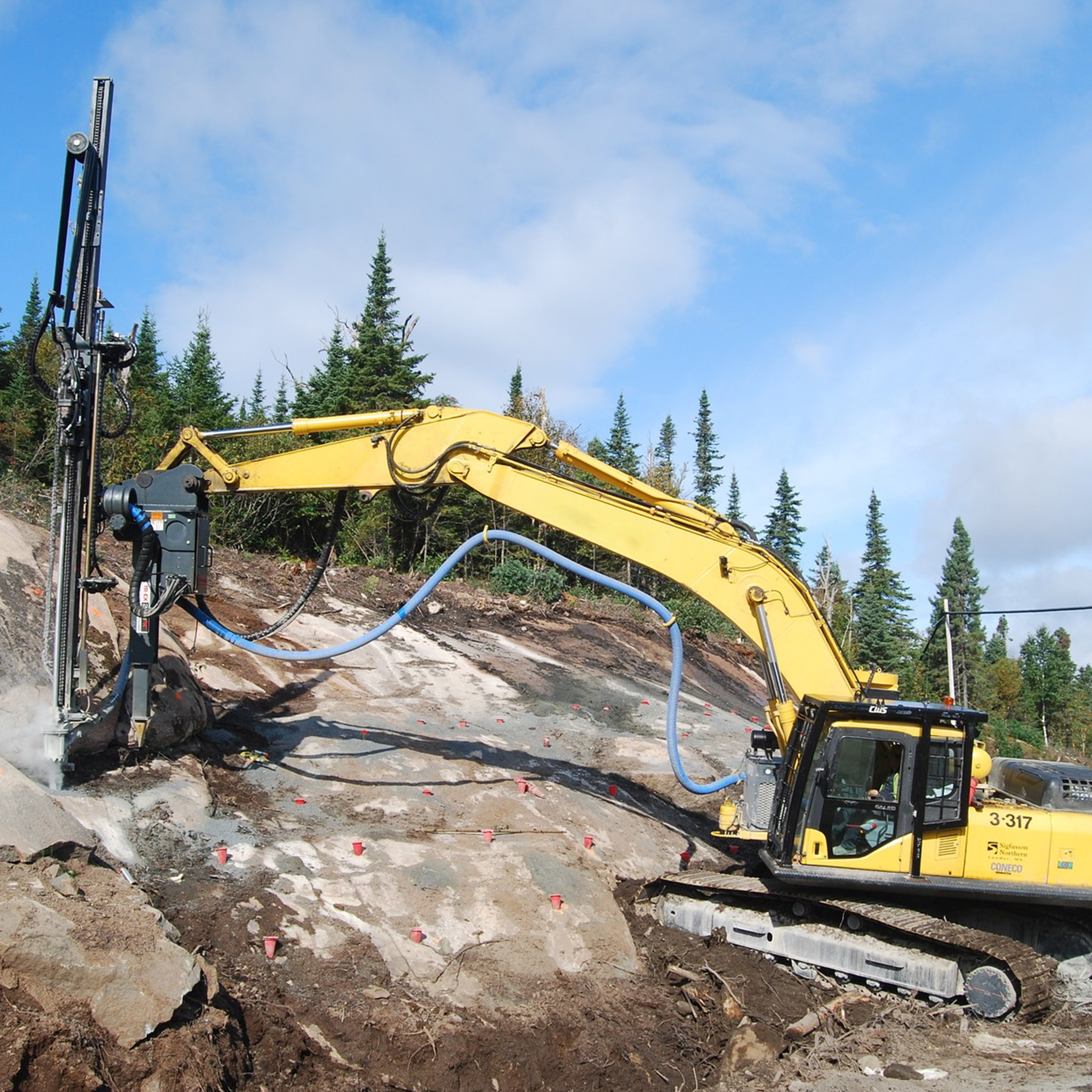
Many customers use a Rock Drill Attachment for anchor holes, blast hole preparation, rock bolts, and general surface drilling. It supports civil engineering, quarry development, railway earthworks, hydro projects, and hard ground construction. When the attachment travels with the carrier, operators can move between holes more quickly and adapt to changing drilling patterns with less downtime. This gives project teams a more responsive workflow on field jobs.
Critical Performance Features
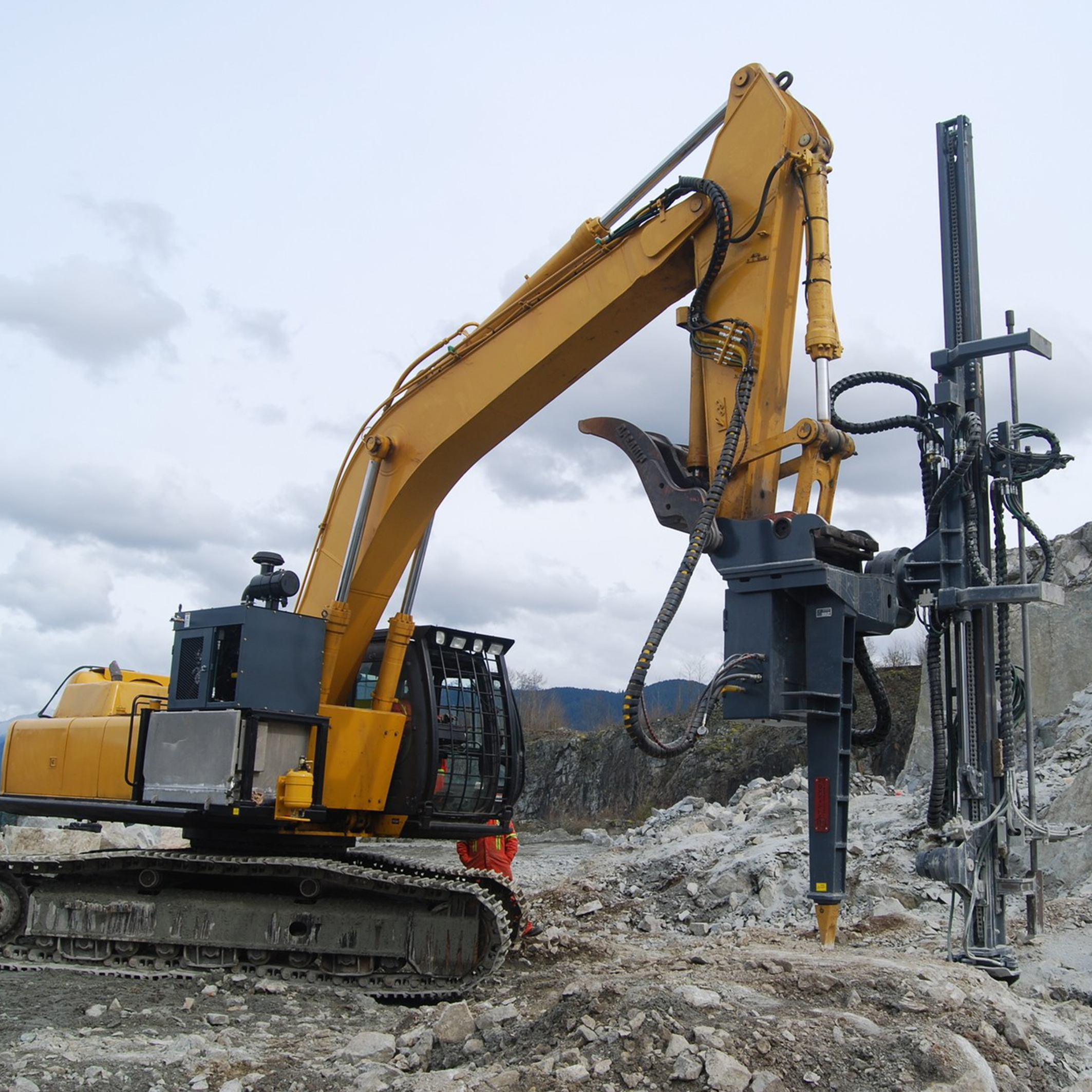
The performance of a Rock Drill Attachment depends on a stable mast, a durable frame, and clean hydraulic routing. These features help the attachment hold alignment during drilling and protect major components in dusty, rocky environments. Good visibility and service access also make daily use easier. When the operator can inspect key points quickly and position the mast with confidence, the drilling process becomes more controlled and practical.
Fleet Flexibility and Machine Utilization
A Rock Drill Attachment also gives contractors more flexibility across the fleet. A suitable excavator can handle excavation at one stage and drilling at another, which improves overall machine utilization. This is helpful for companies that do not want to dedicate a separate rig to every project. The attachment approach supports simpler transport, more efficient site organization, and better use of existing machines across different contracts.
Durability and Maintenance Considerations
In real-world conditions, durability and maintenance matter every day. A dependable Rock Drill Attachment should stand up to vibration, debris, and repeated repositioning without making inspection difficult. Clear service points and protected hoses help crews maintain the machine between shifts. These features support steady productivity and reduce the risk of avoidable interruptions on long-term quarry and construction projects.
Conclusion: A Practical Solution for Modern Drilling Needs
For contractors who need a compact drilling solution with good reach and site adaptability, the Rock Drill Attachment is a strong option. It supports rock drilling in changing terrain and helps teams work efficiently on slopes, quarries, roadsides, and civil foundation sites. When mounted on an excavator, it becomes a practical tool for modern surface drilling and hard ground operations.