Overview & Core Functions
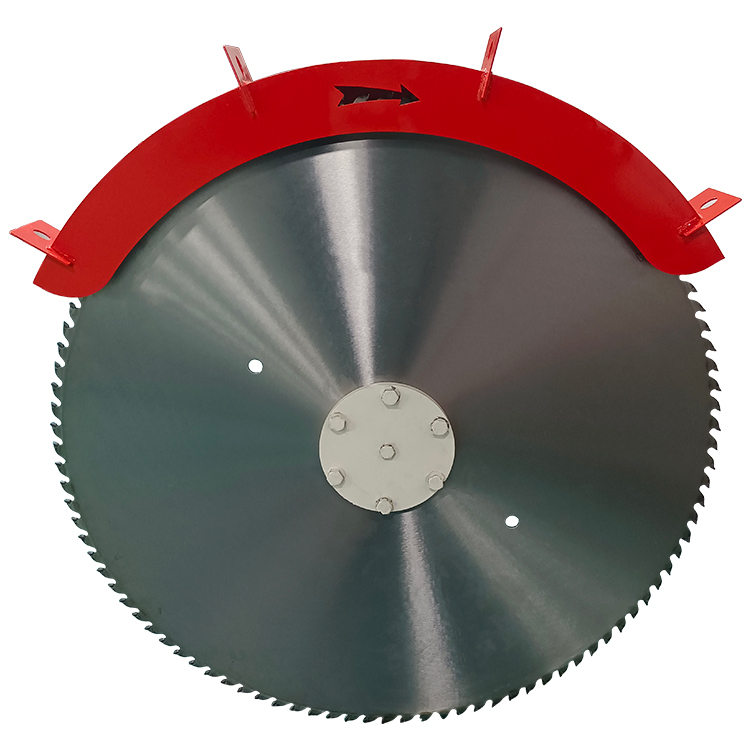
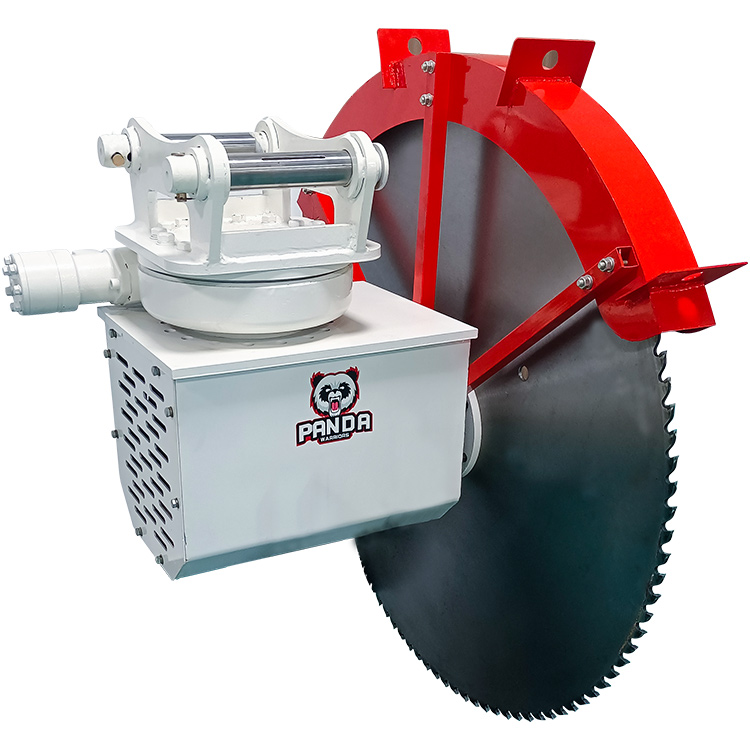
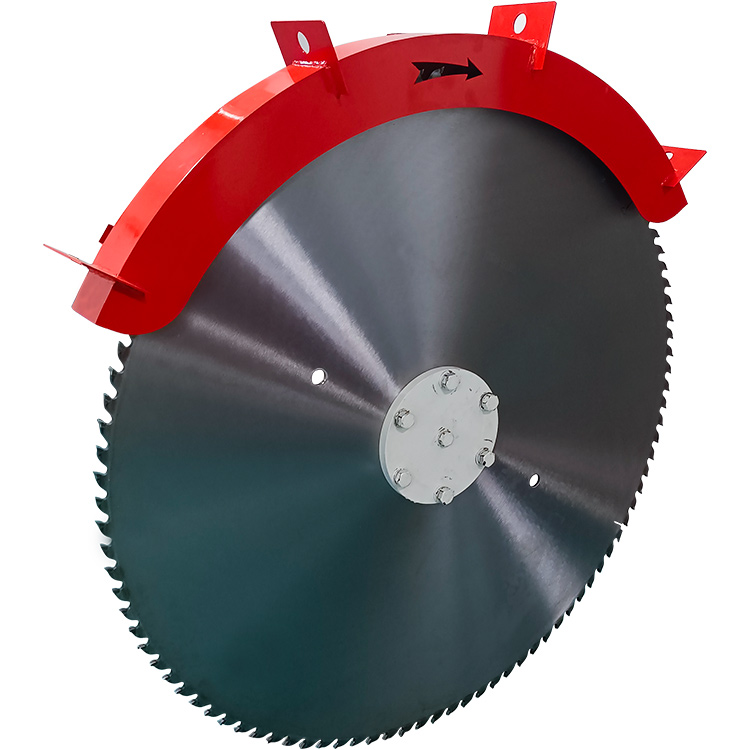
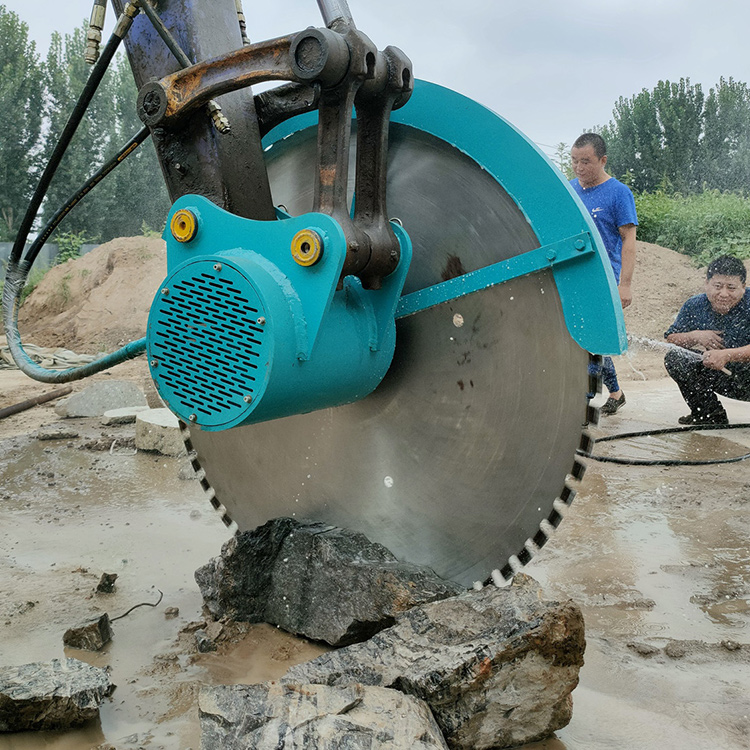
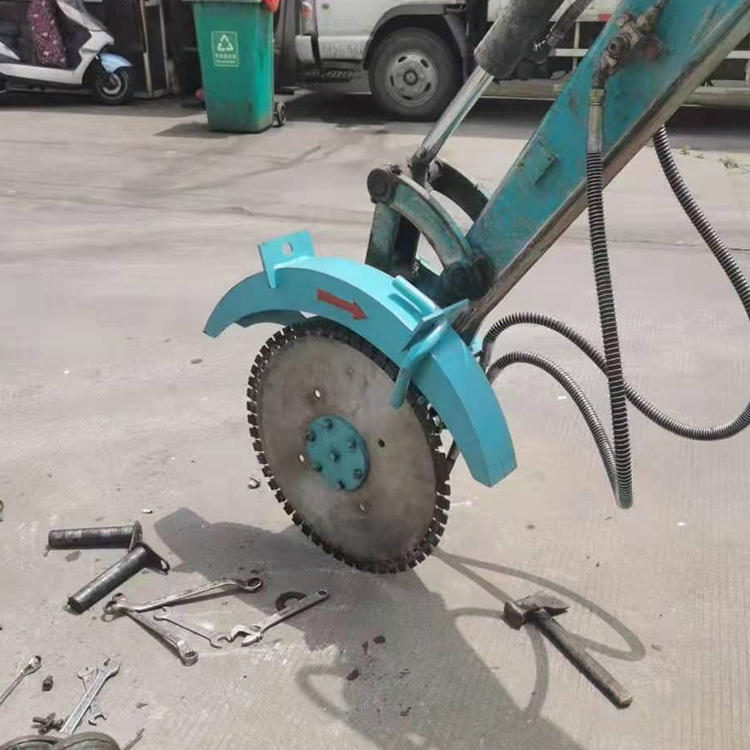
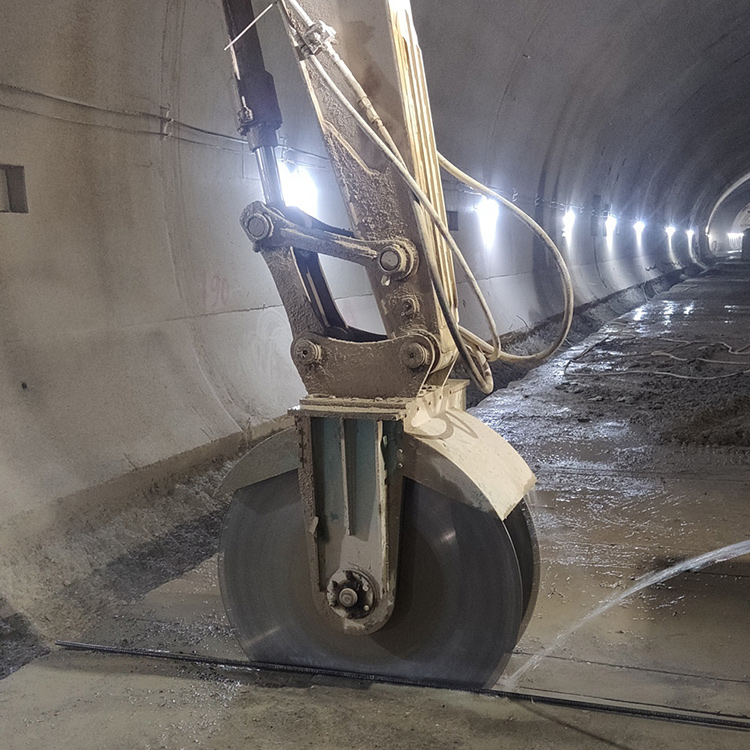
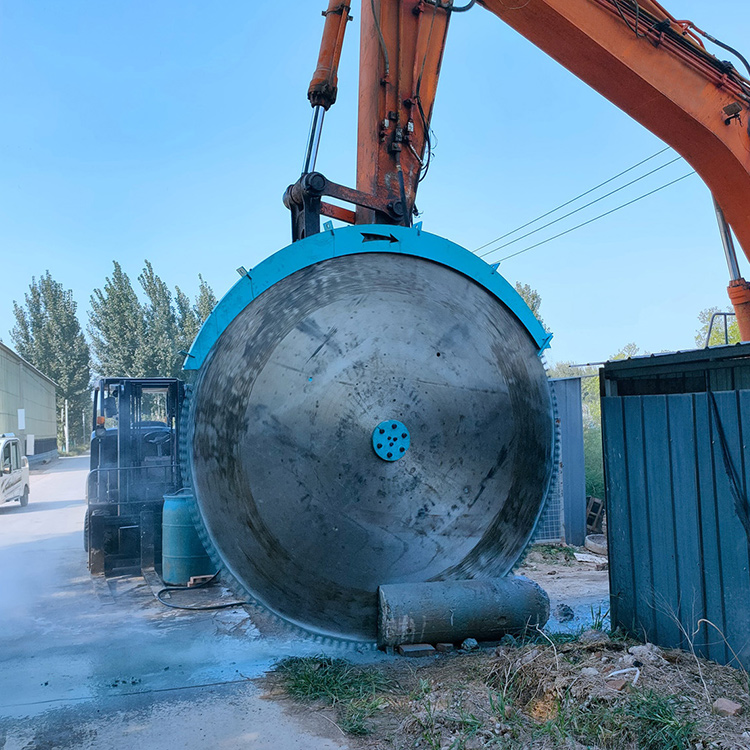
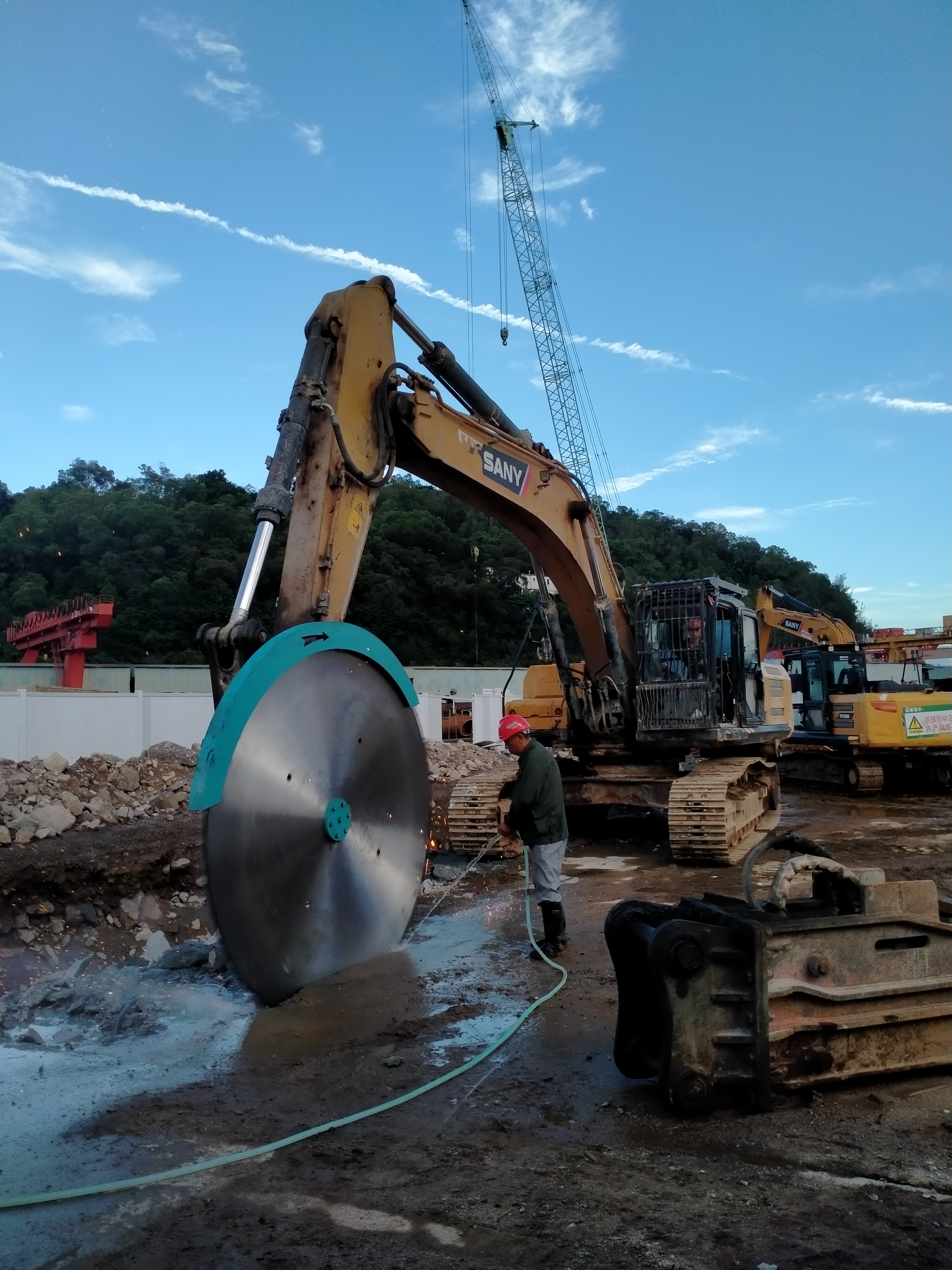
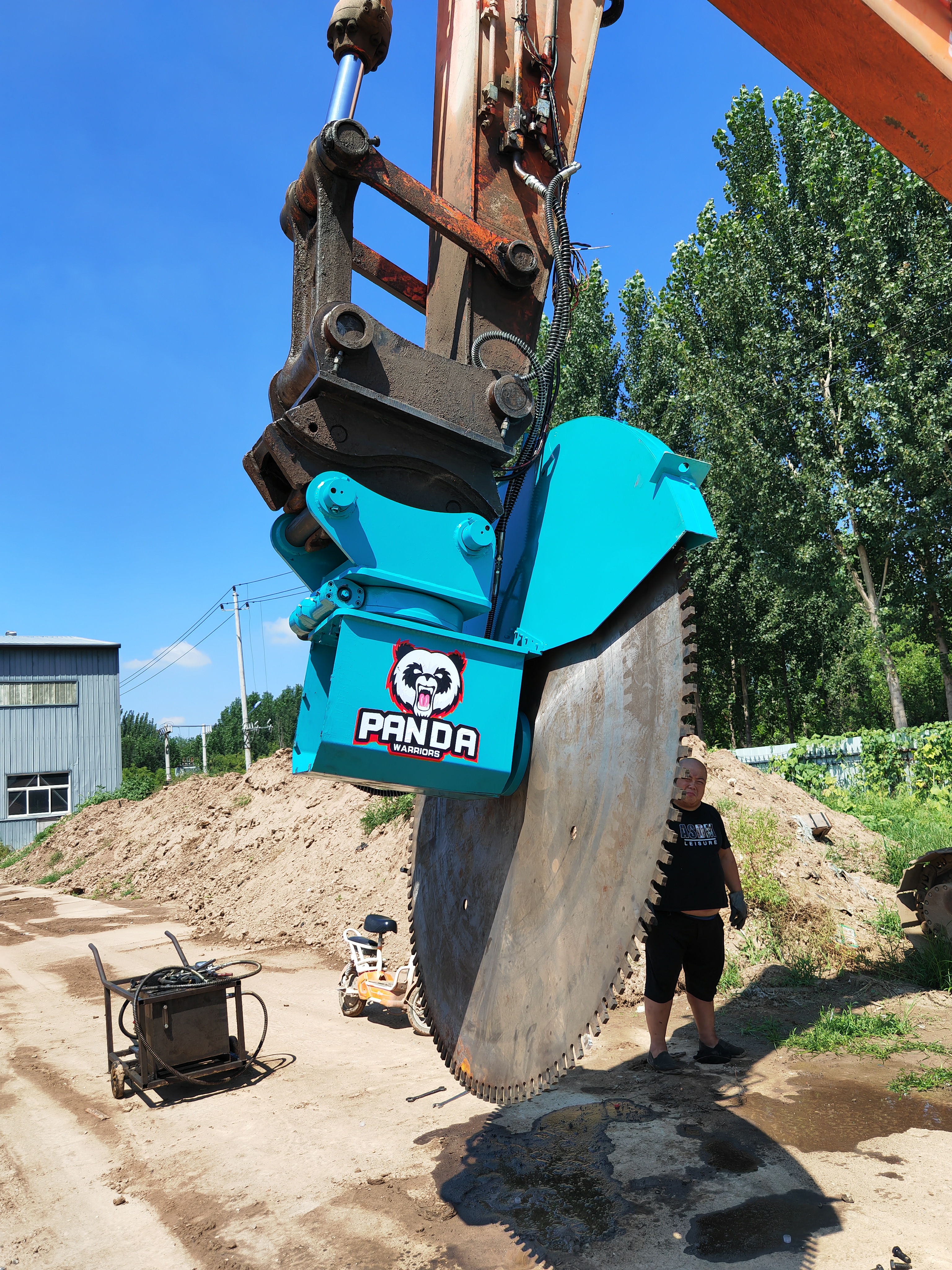
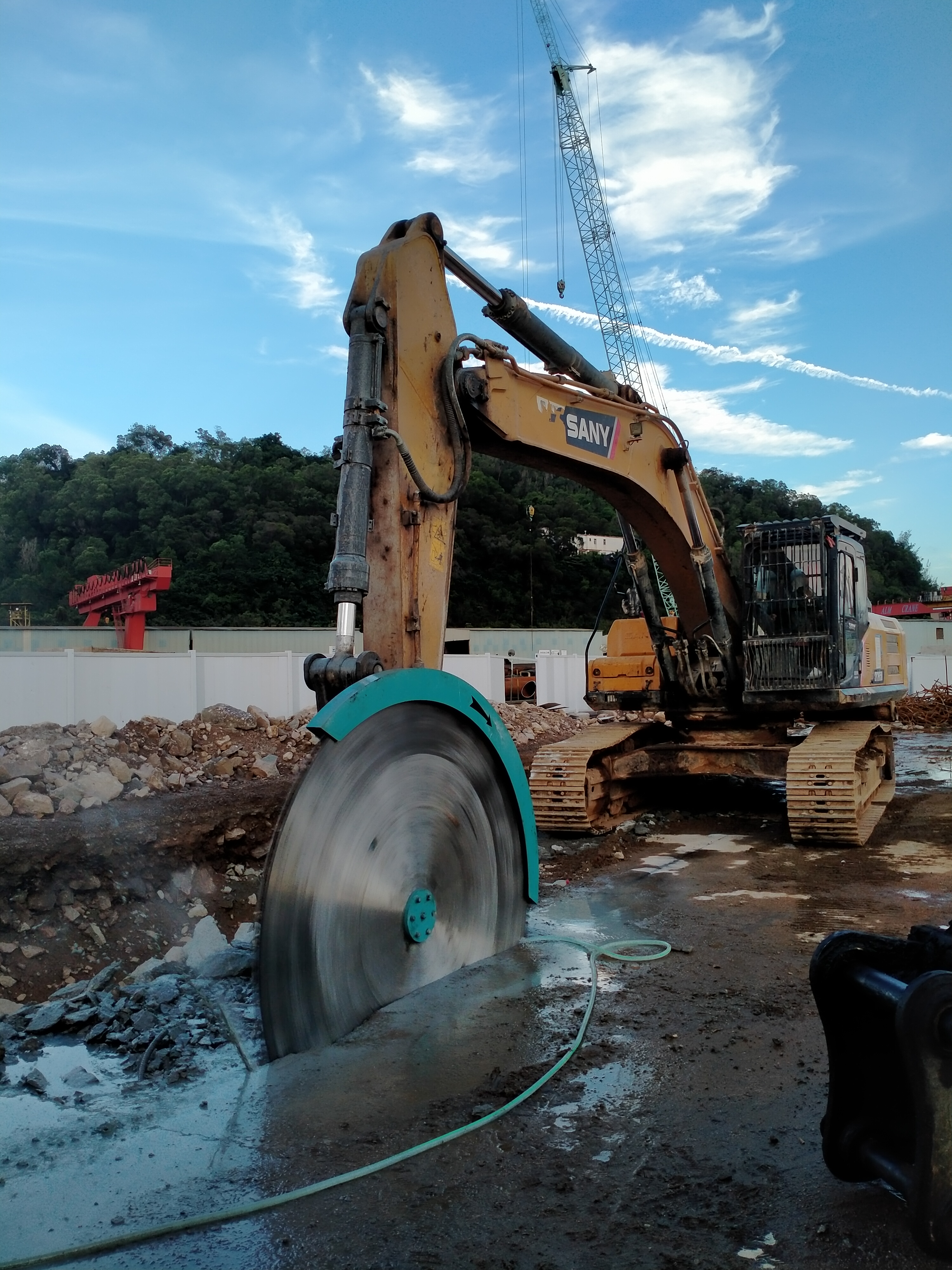
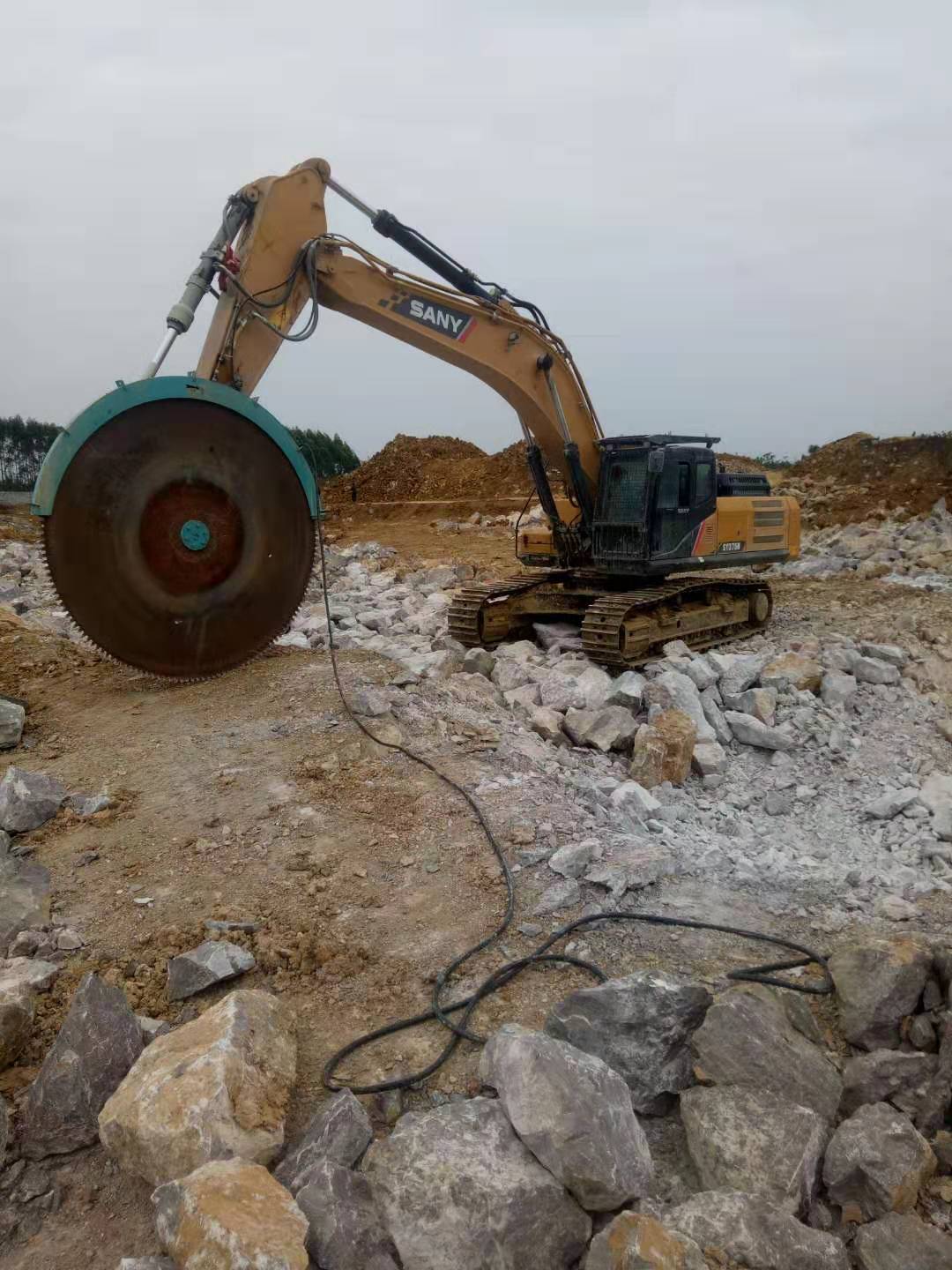
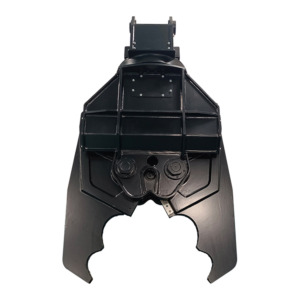
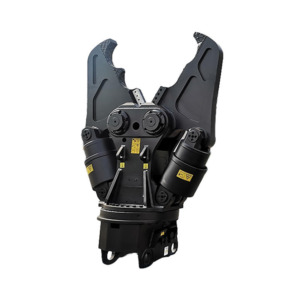
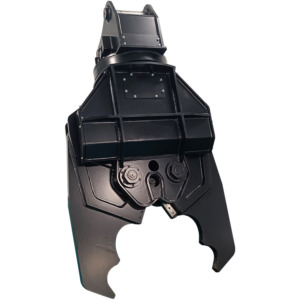
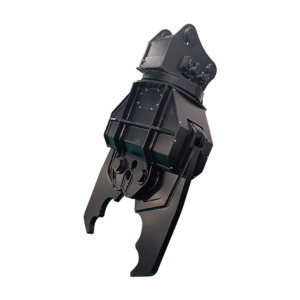
Single Blade Rock Saw equipment gives contractors a direct and efficient way to cut hard material with a simple, focused design. Using one large cutting blade, a Single Blade Rock Saw follows a defined path through rock, stone, and concrete while allowing the operator to maintain good control over direction and depth. This makes it useful for trenching, quarry separation, foundation work, and demolition tasks where the crew wants a cleaner cut instead of rough impact damage. The single blade layout keeps the system straightforward while still delivering serious cutting capability for demanding jobs.
Key Benefit: Simple & Reliable Operation
A major benefit of a Single Blade Rock Saw is working simplicity. The attachment is centered around one cutting path, which helps operators focus on line control and steady progress. On jobs where the goal is to open a clean slot, separate sections of material, or prepare a narrow cut before removal, this design works very well. Contractors often choose a Single Blade Rock Saw when they want dependable cutting performance without unnecessary complexity. It can support planned removal methods that improve handling, reduce waste, and make the next stage of the job easier to manage.
Wide Range of Applications
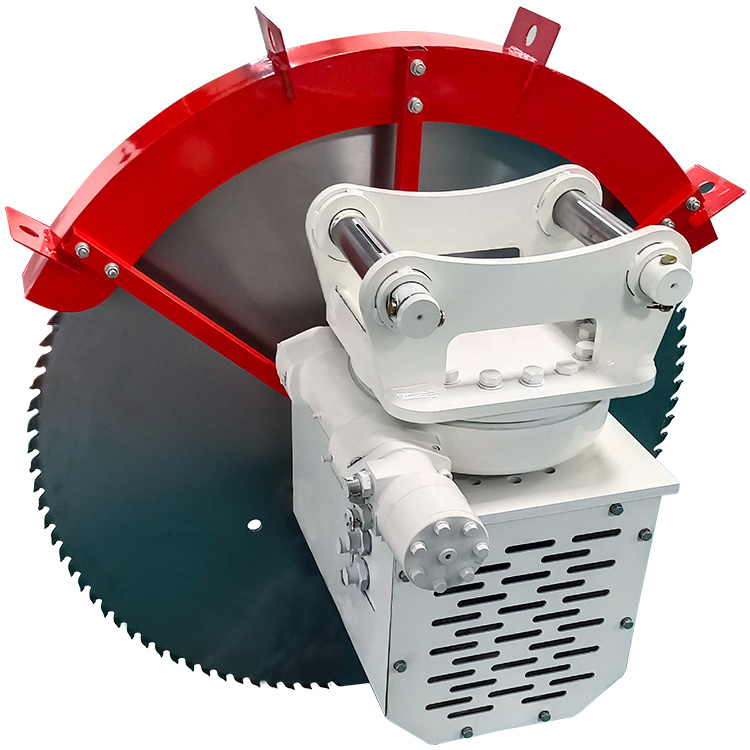
The application range is broad. A Single Blade Rock Saw can be used for utility trenching, drainage channels, road repair, quarry cutting, slope work, and controlled demolition. It is also useful where crews need to cut near structures or along planned excavation lines that require better accuracy. Because the blade is mounted on a carrier machine, the operator can position it carefully and work across different site conditions. This makes the saw a practical choice for contractors who need one cutting attachment that can move from civil work to quarry or demolition tasks without difficulty.
High Control & Cutting Consistency
Control and consistency are key strengths. A Single Blade Rock Saw creates a more deliberate cut, which helps reduce unnecessary breakage outside the target zone. That can improve edge quality, lower follow-up trimming, and support a cleaner jobsite process. Water can be used during cutting to manage dust and help cool the blade when the application is demanding. This working method supports longer cutting sessions and gives crews better visibility and cleaner site conditions during operation. It also helps create a more professional appearance on active projects.
Easy Routine Maintenance
Routine maintenance is simple and fits normal attachment service practice. Crews inspect the blade, mounting points, fasteners, hoses, seals, and general wear areas before regular use. With proper care, a Single Blade Rock Saw can stay ready for repeated jobs and perform reliably across changing site conditions. Contractors value tools that are easy to understand, easy to inspect, and easy to integrate into the daily schedule, and this attachment fits that expectation well. It is a good option for fleets that want practical performance without overly complicated service routines.
Conclusion: Cost-Effective & Practical Cutting Solution
For buyers who want a practical, accurate, and efficient cutting solution, a Single Blade Rock Saw offers strong value. It helps crews make cleaner first cuts, handle hard material with more confidence, and keep removal work better organized. Whether the project involves rock excavation, structural concrete, trench preparation, or quarry production, a Single Blade Rock Saw delivers a straightforward and dependable way to cut difficult material. It is also a strong sales choice for distributors who want a clear, easy-to-explain product line.