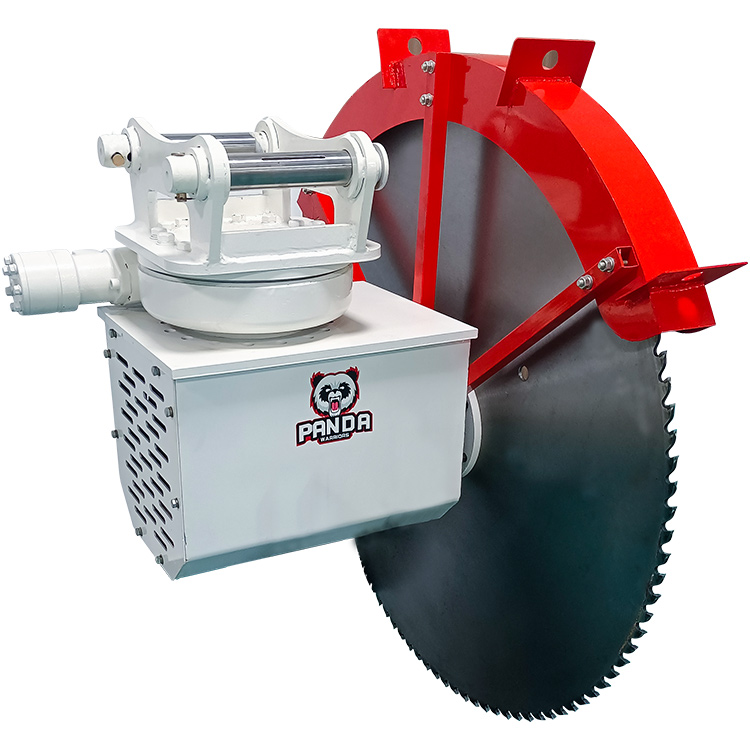
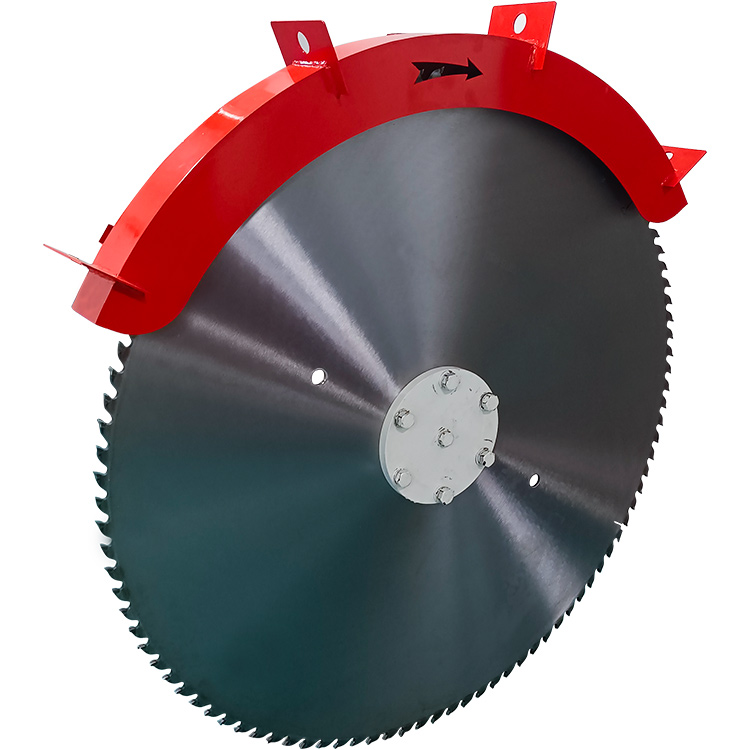
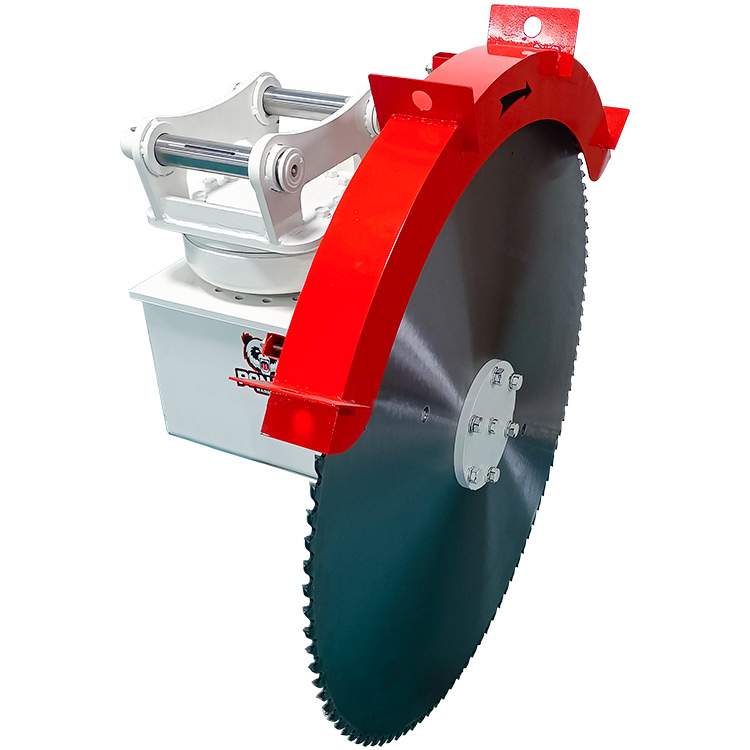
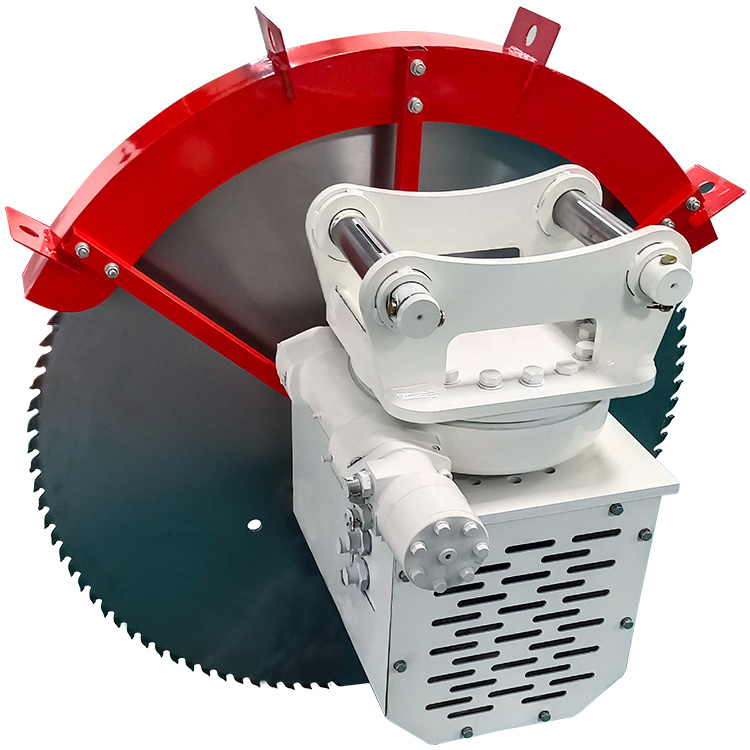
Overview and Core Application Scenarios
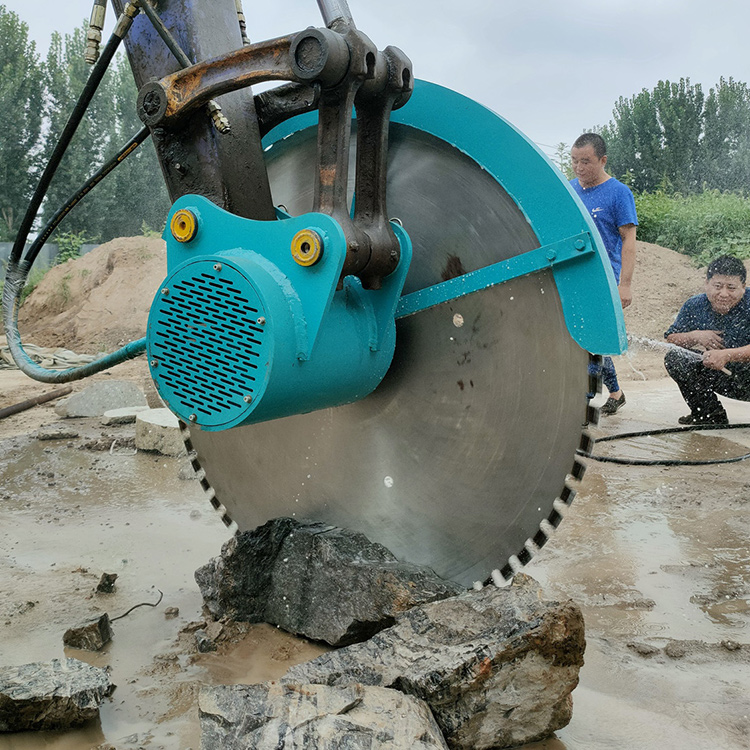
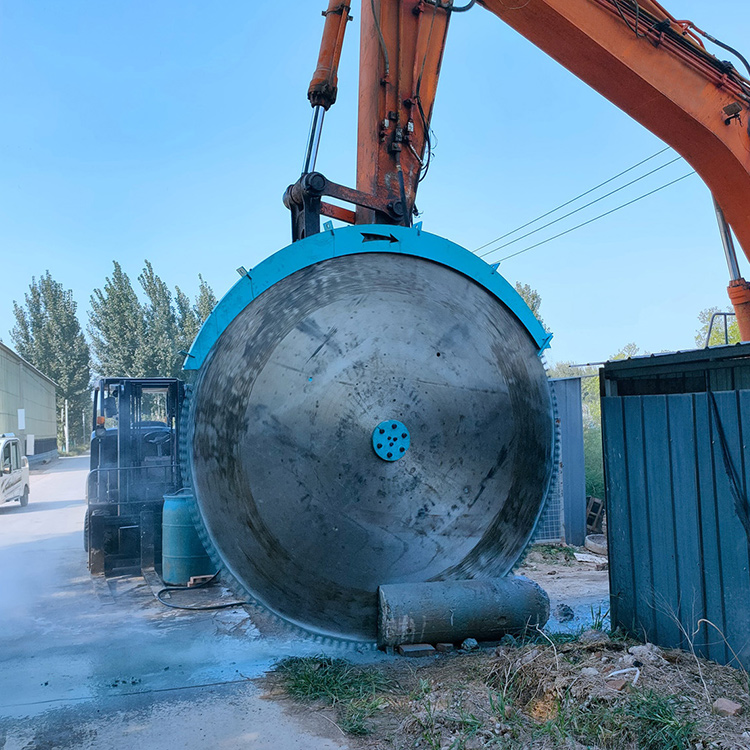
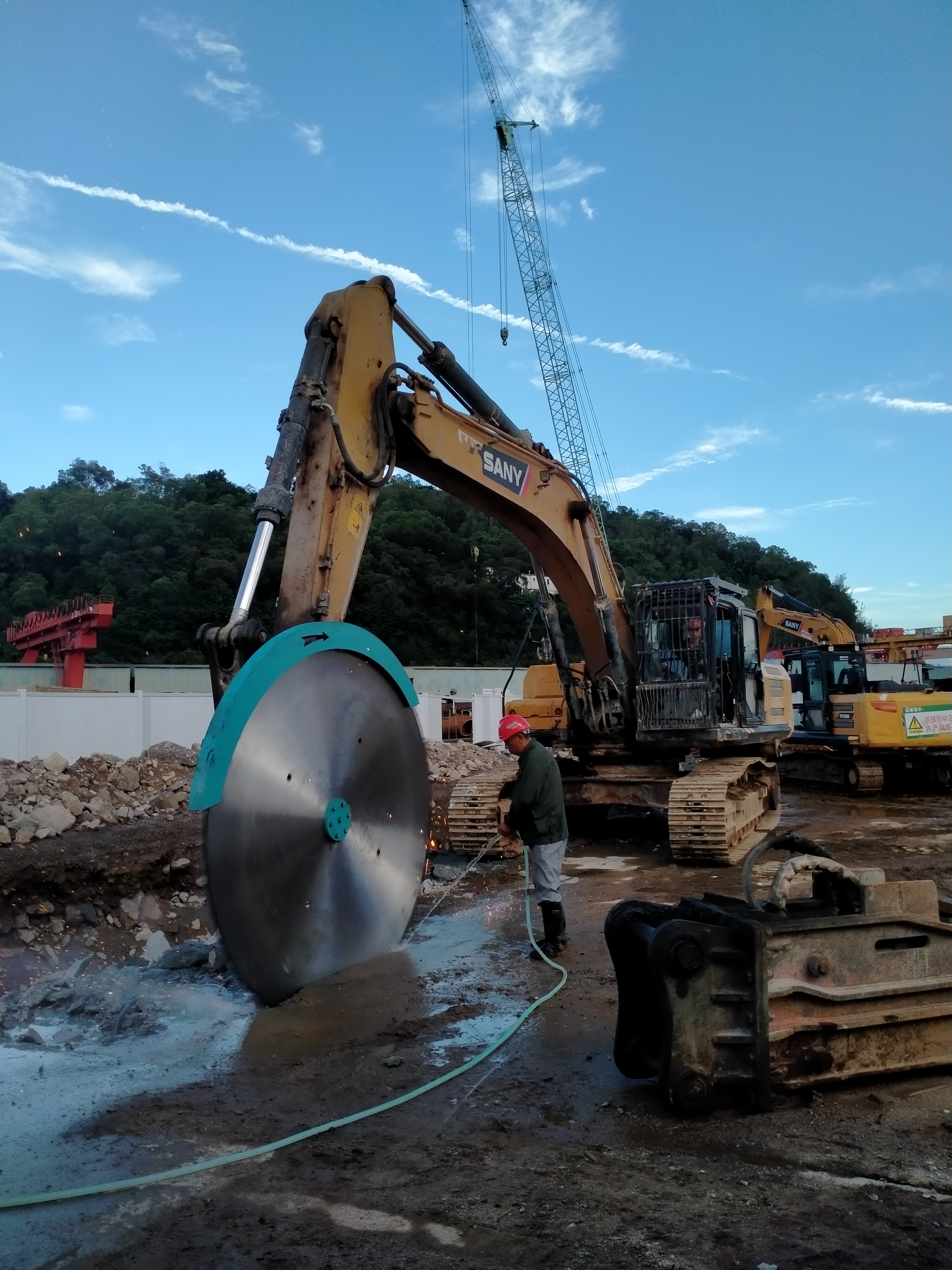
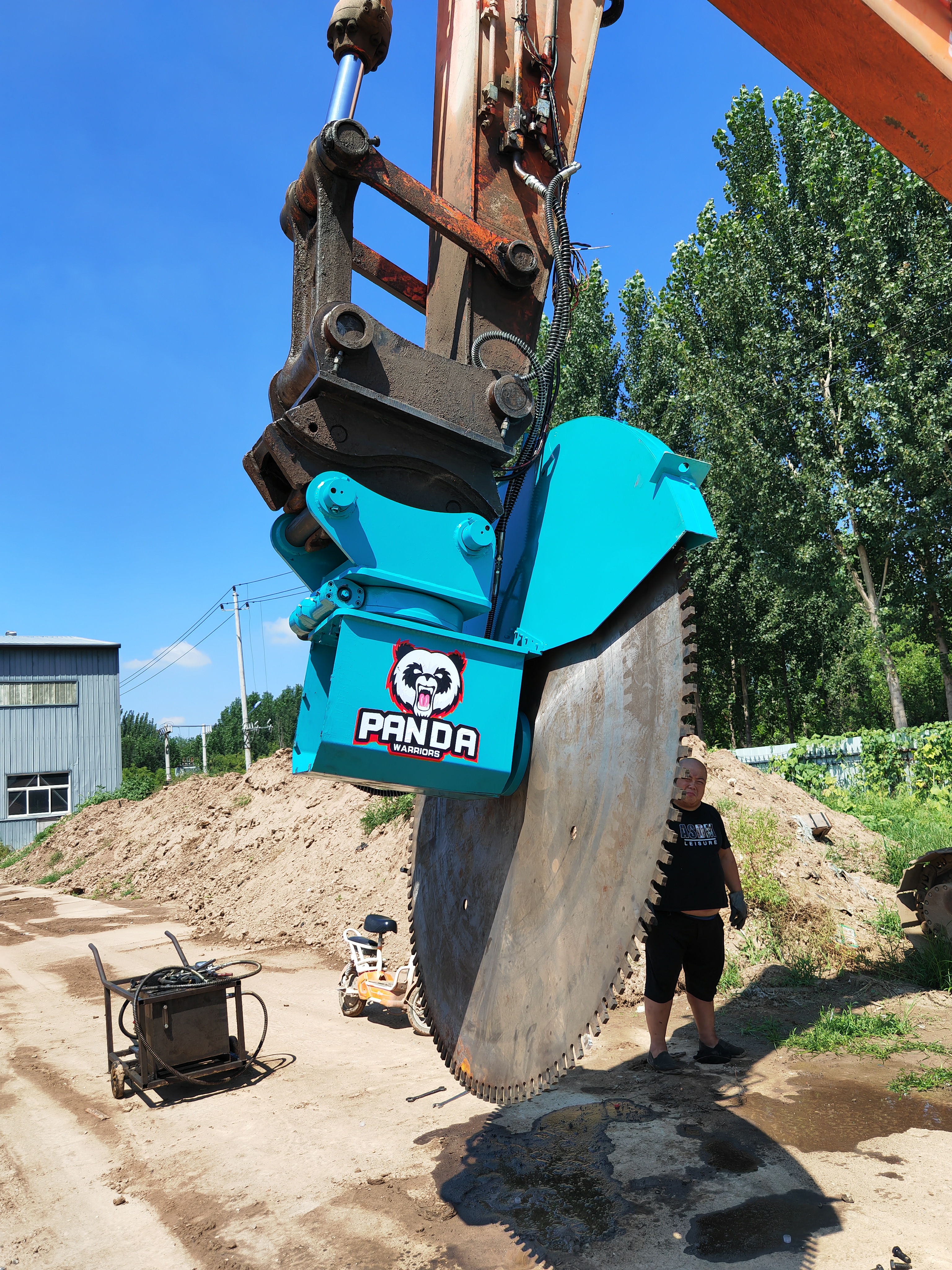
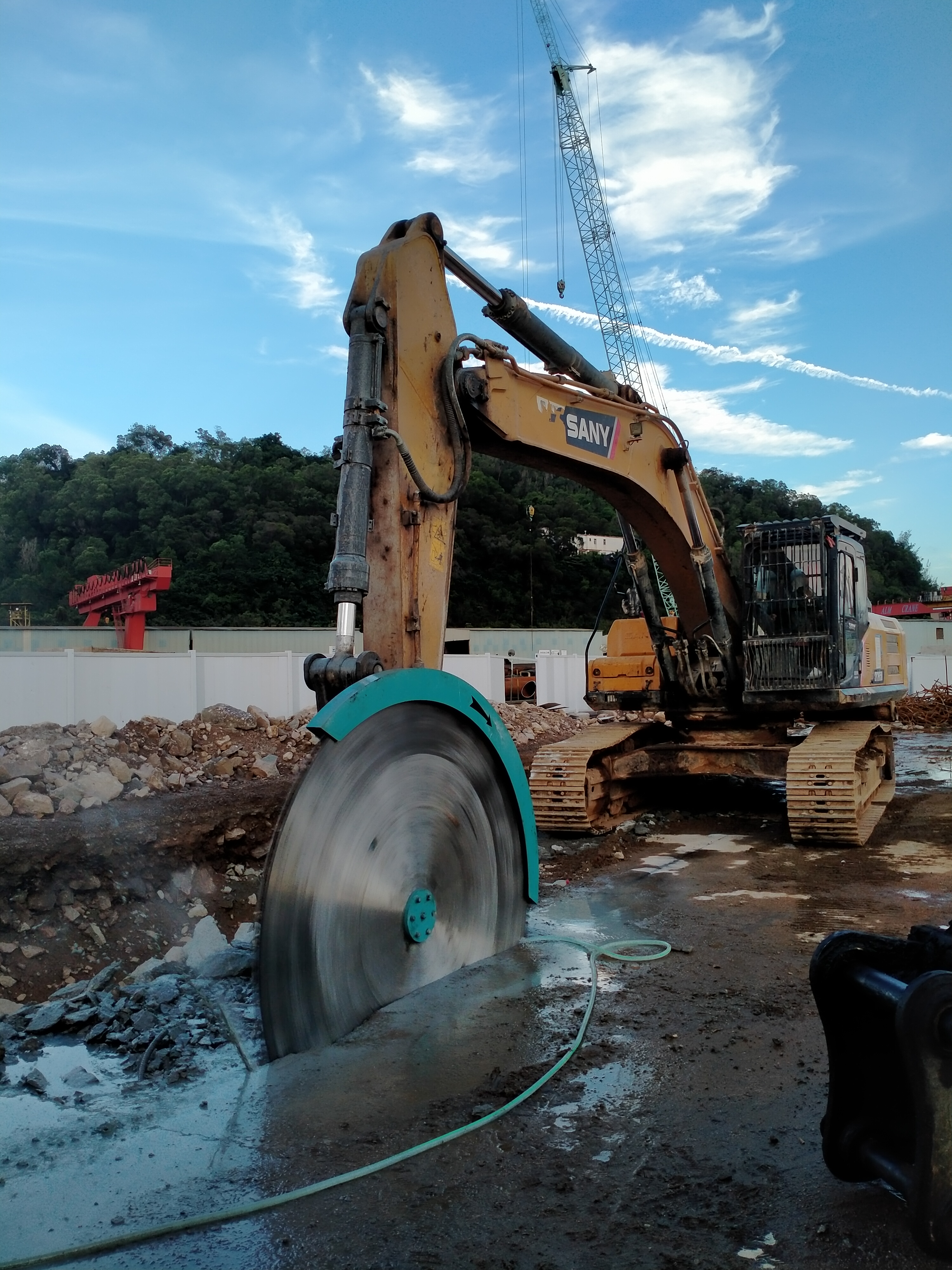
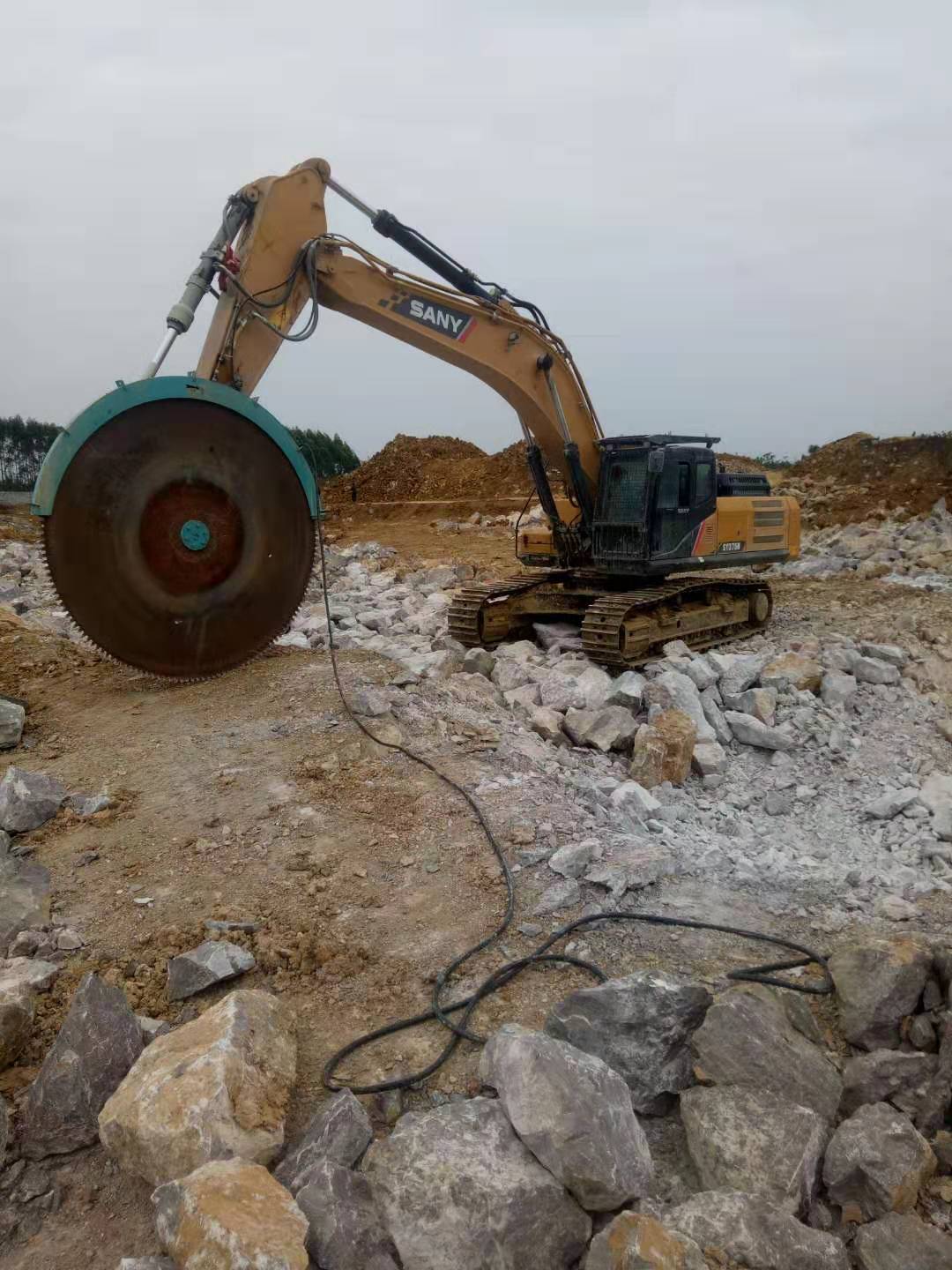
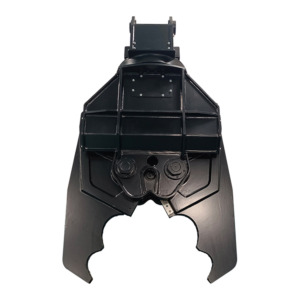
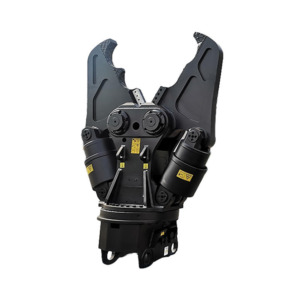
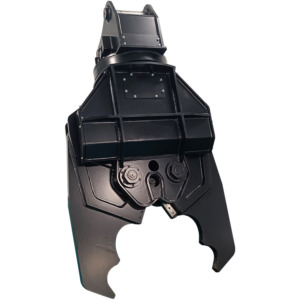
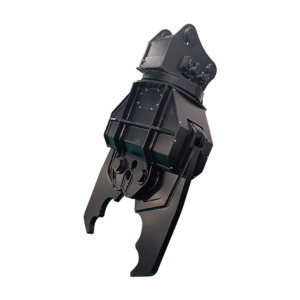
Excavator Rock Saw equipment is a practical choice when a project calls for controlled cutting instead of rough impact breaking. A rotating blade allows the operator to follow a clear cutting path through hard rock, weathered stone, and concrete while keeping the work area more organized. That matters on jobs where the crew needs straight lines, predictable depth, and less unwanted damage outside the cut. An Excavator Rock Saw is often selected for trench preparation, quarry bench work, foundation removal, road repair, and tunnel access because it combines cutting accuracy with the mobility of an excavator.
Comparative Advantages Over Hammers or Breakers
Compared with a hammer or breaker, an Excavator Rock Saw supports a different working method. The blade slices rather than repeatedly striking the surface, so the operator can control the line more precisely and reduce extra breaking around the target area. This approach helps when contractors need to protect nearby structures, leave a neater edge, or cut sections that will later be lifted, split, or removed in a planned sequence. It also helps crews prepare channels, joints, and trenches that need a more consistent shape. For demolition and civil work, that extra control can save cleanup time and improve the next stage of the job.
Hydraulic Drive System and Operational Flexibility
The hydraulic drive system gives the attachment steady power, and the excavator carrier adds reach, positioning, and flexibility. Operators can work in open quarry areas, along road edges, beside retaining walls, or inside narrower work zones where dedicated saw equipment may be harder to place. The attachment uses the machine’s boom and arm movement to guide depth and direction, which makes the system useful for both horizontal and vertical cutting tasks. Because the carrier moves easily across the site, one Excavator Rock Saw can support multiple cutting jobs without slowing down overall production.
Industry-Specific Applications
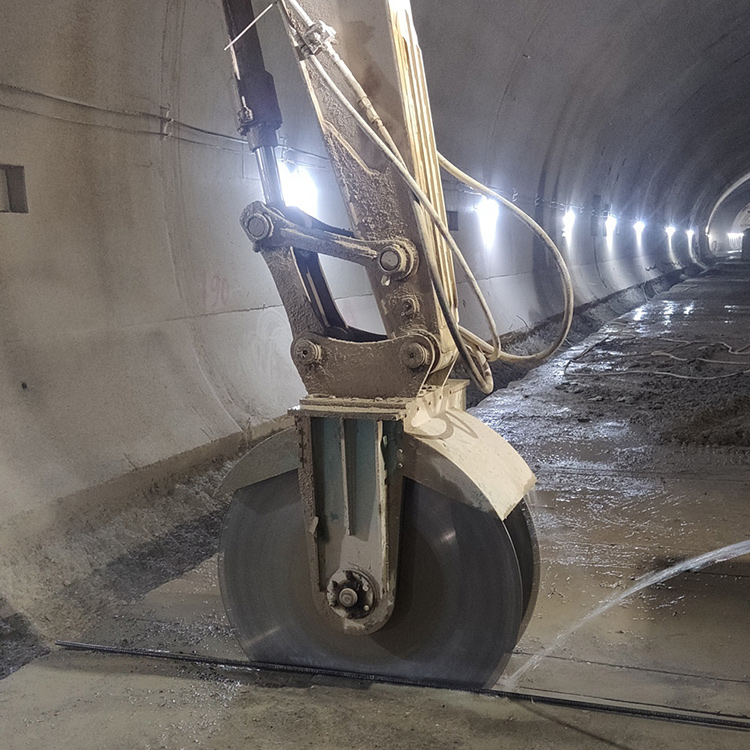
This tool fits a wide range of industries. Quarry contractors use it to separate stone before loading or secondary crushing. Utility crews use it to open trenches for pipe or cable work. Foundation teams use it to cut hard sections around footings, piles, and retaining structures. Demolition contractors use it to pre-cut material before removal. Tunnel and slope projects use it where controlled excavation matters and overbreak needs better management. An Excavator Rock Saw is also a smart choice for sites where vibration, flying fragments, and random cracking need more control than traditional impact tools usually provide.
Daily Operation and Maintenance
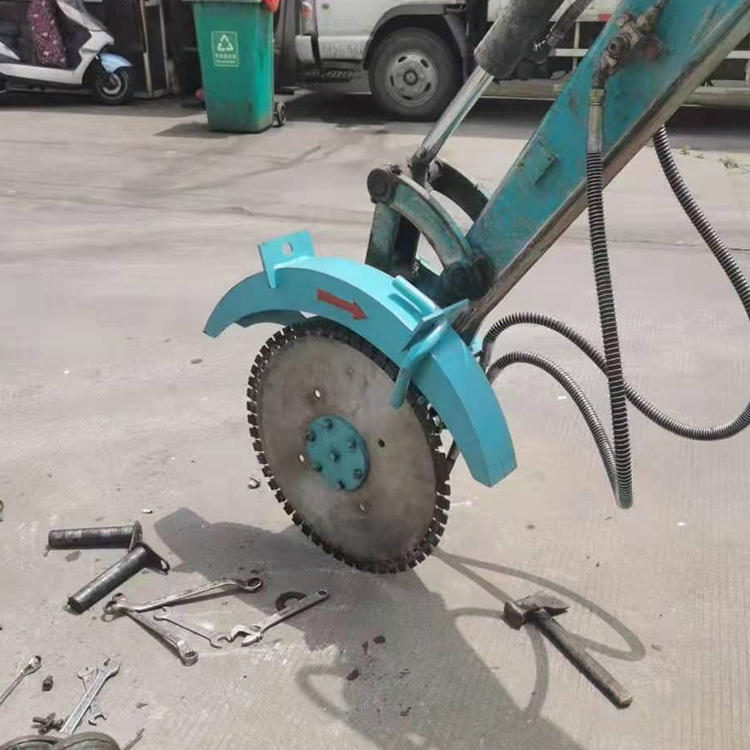
Daily operation is simple when the crew follows a steady process. The operator marks the cutting line, positions the machine, and advances at a controlled rate. Water can be introduced during cutting to manage dust and help cool the blade in demanding conditions. Routine service focuses on normal wear items and regular inspection of the blade, fasteners, hoses, seals, and mounting points. Good maintenance keeps the attachment ready for repeated shifts and supports more consistent cutting performance. It also helps contractors protect uptime and keep scheduling predictable when the saw moves from one project to the next.
Core Benefits for Buyers and Jobsite Efficiency
For buyers, the real advantage is not only cutting power but also jobsite efficiency. An Excavator Rock Saw can help crews make cleaner first cuts, reduce unnecessary damage, and plan removal work with better control. That can lower rework, improve material handling, and create a more deliberate workflow on hard-material jobs. Whether the site involves rock excavation, concrete removal, trenching, or quarry production, this attachment offers a dependable way to cut difficult material with accuracy, stability, and strong field performance. It also gives contractors a tool that looks more professional on site and supports cleaner finished results.