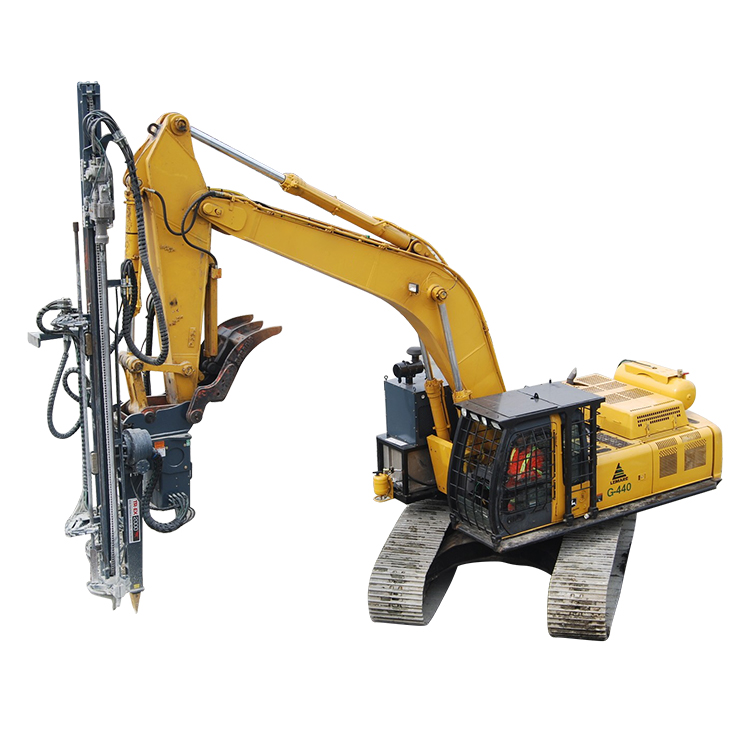
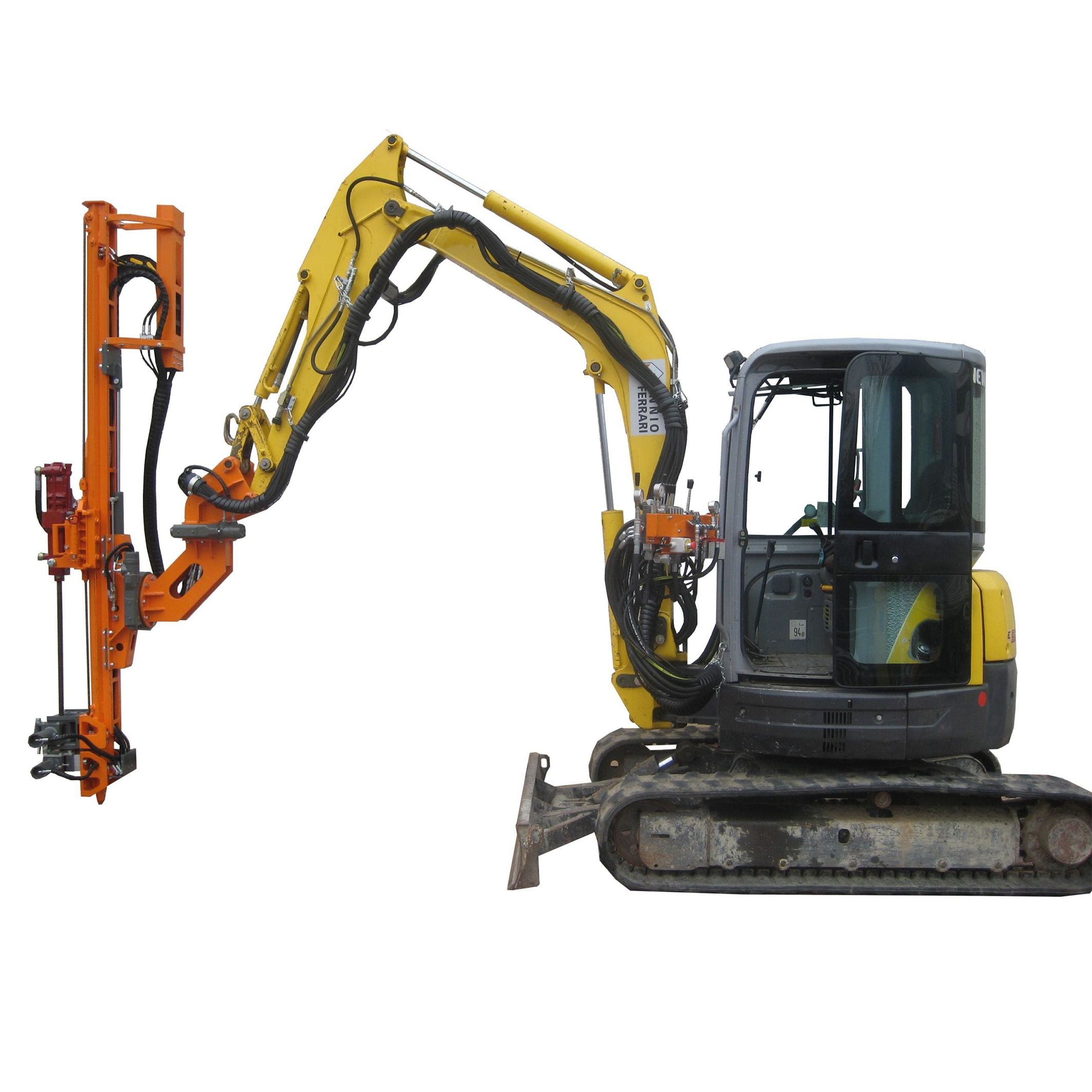
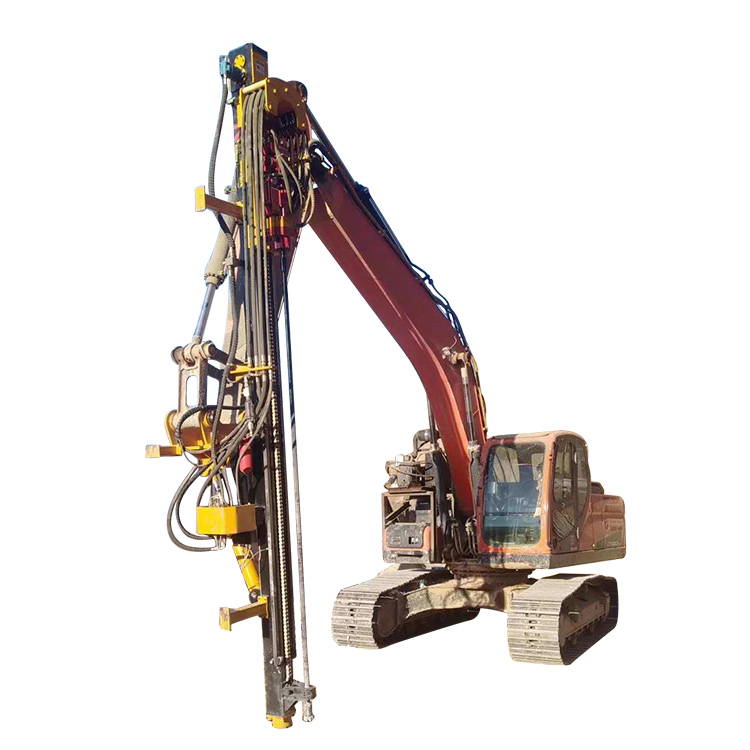
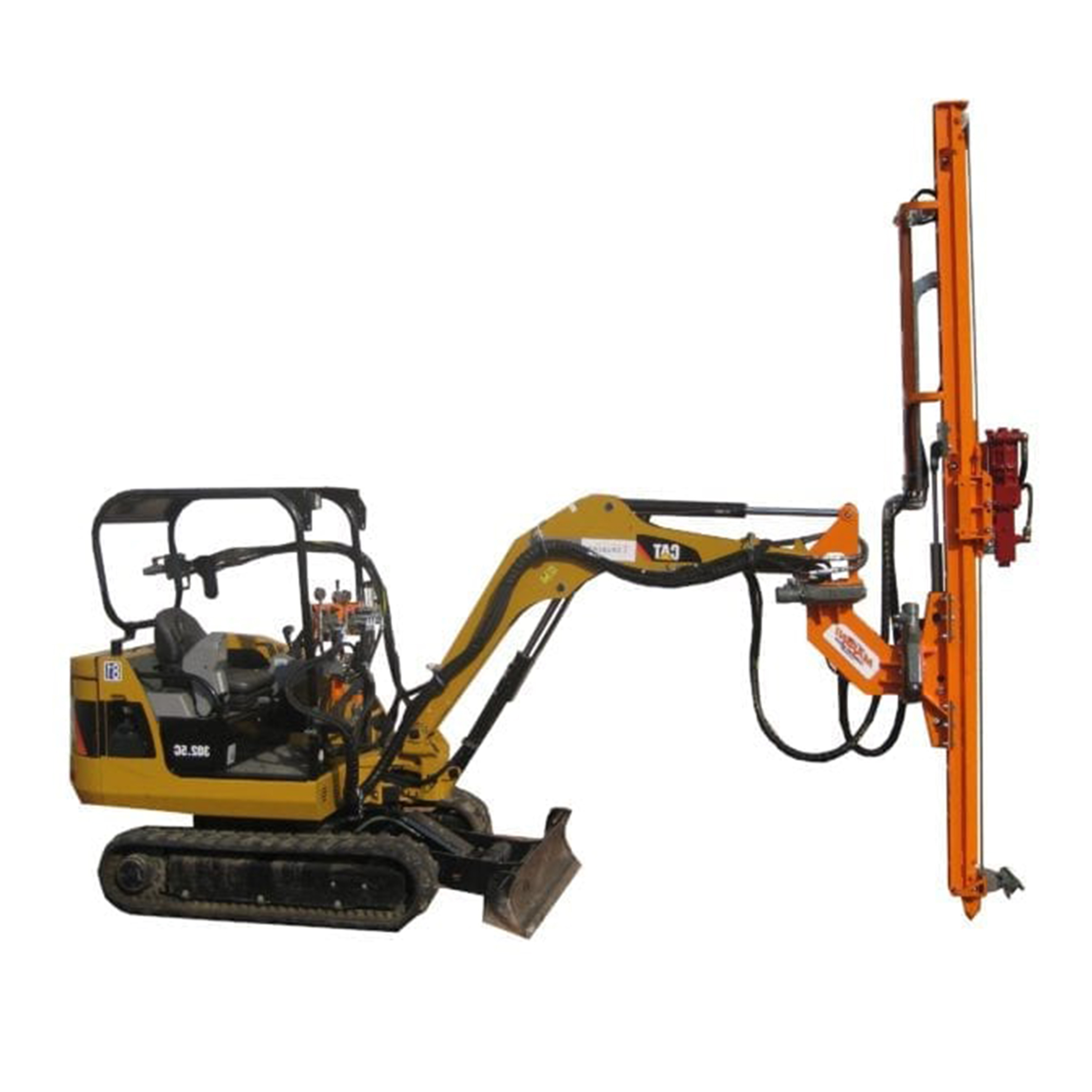
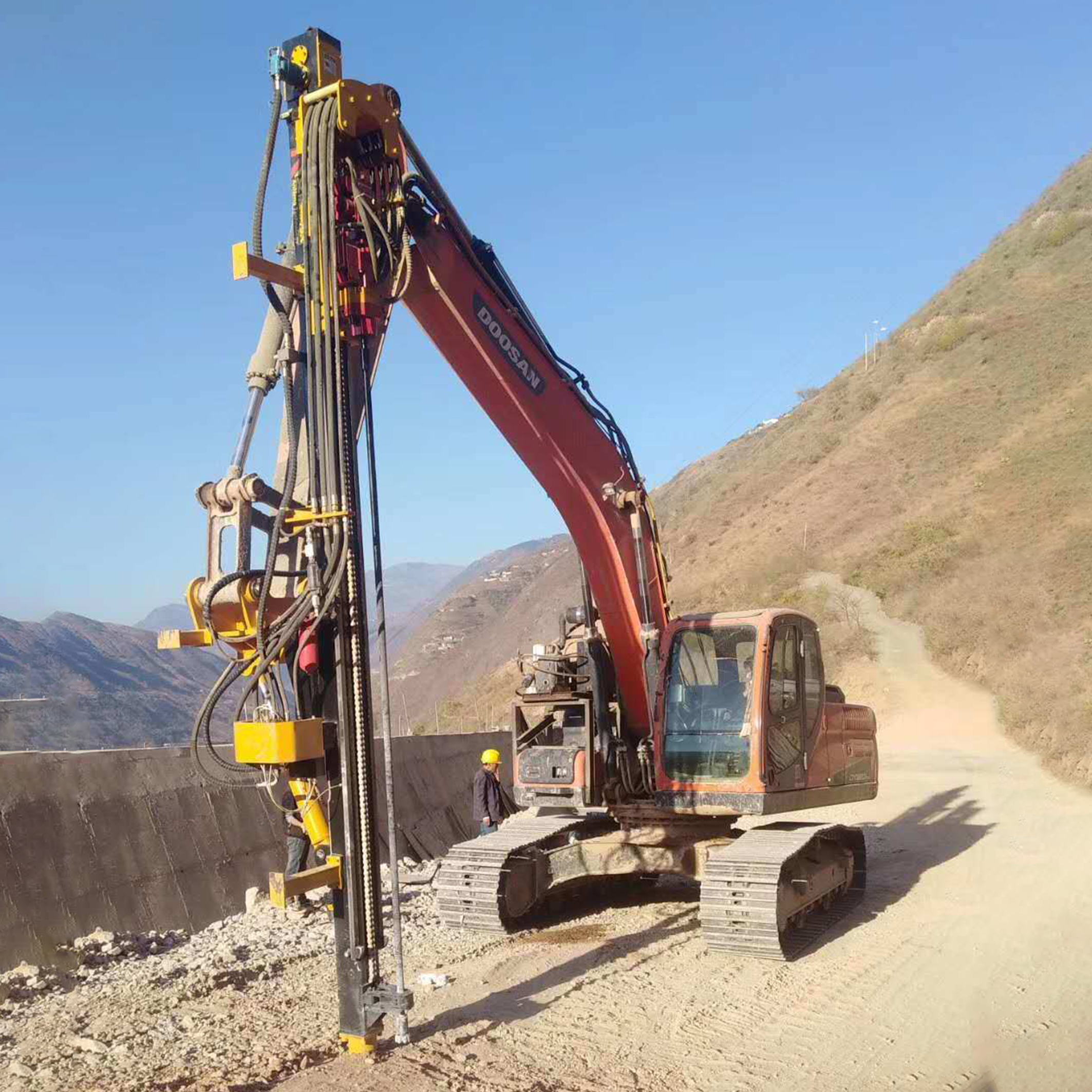
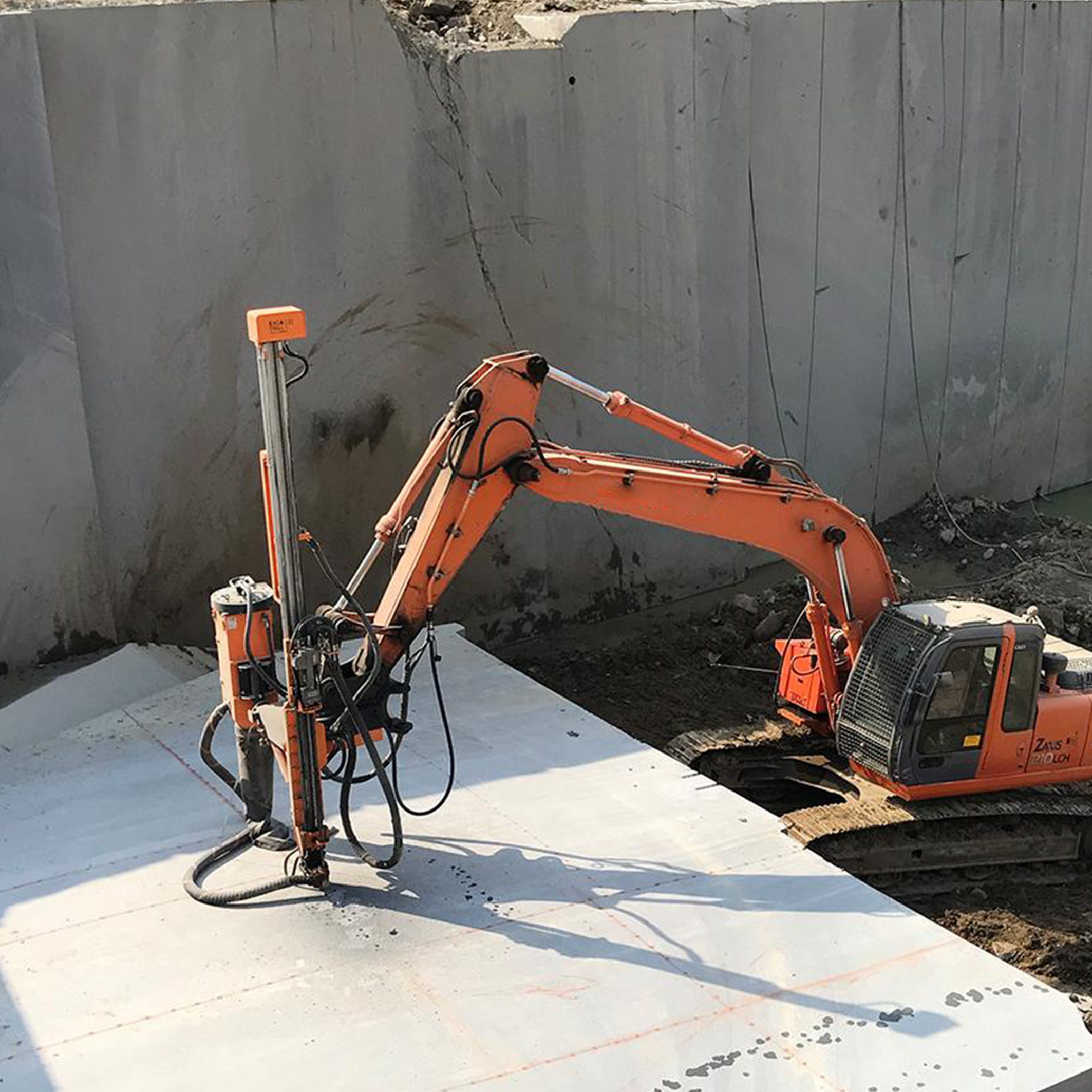
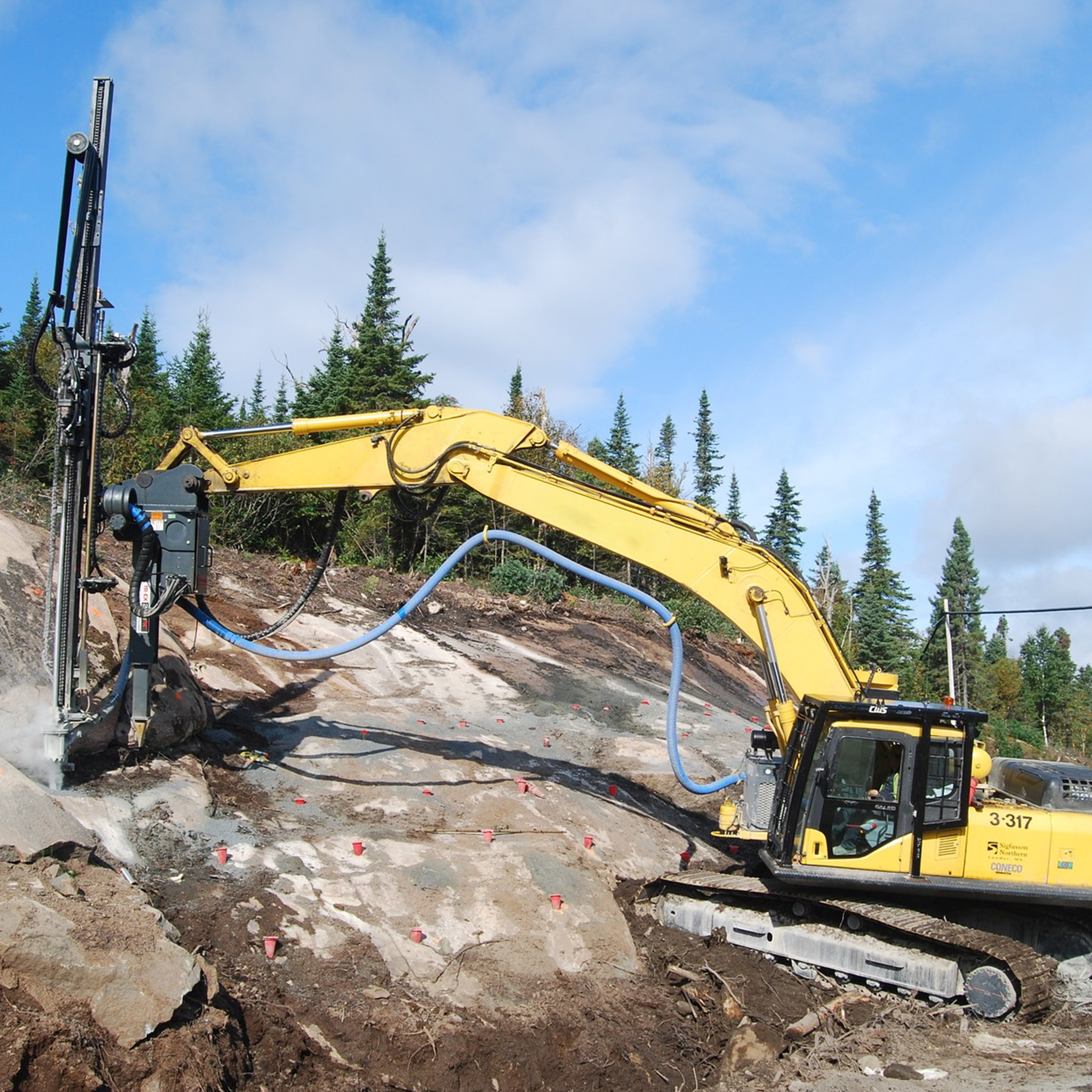
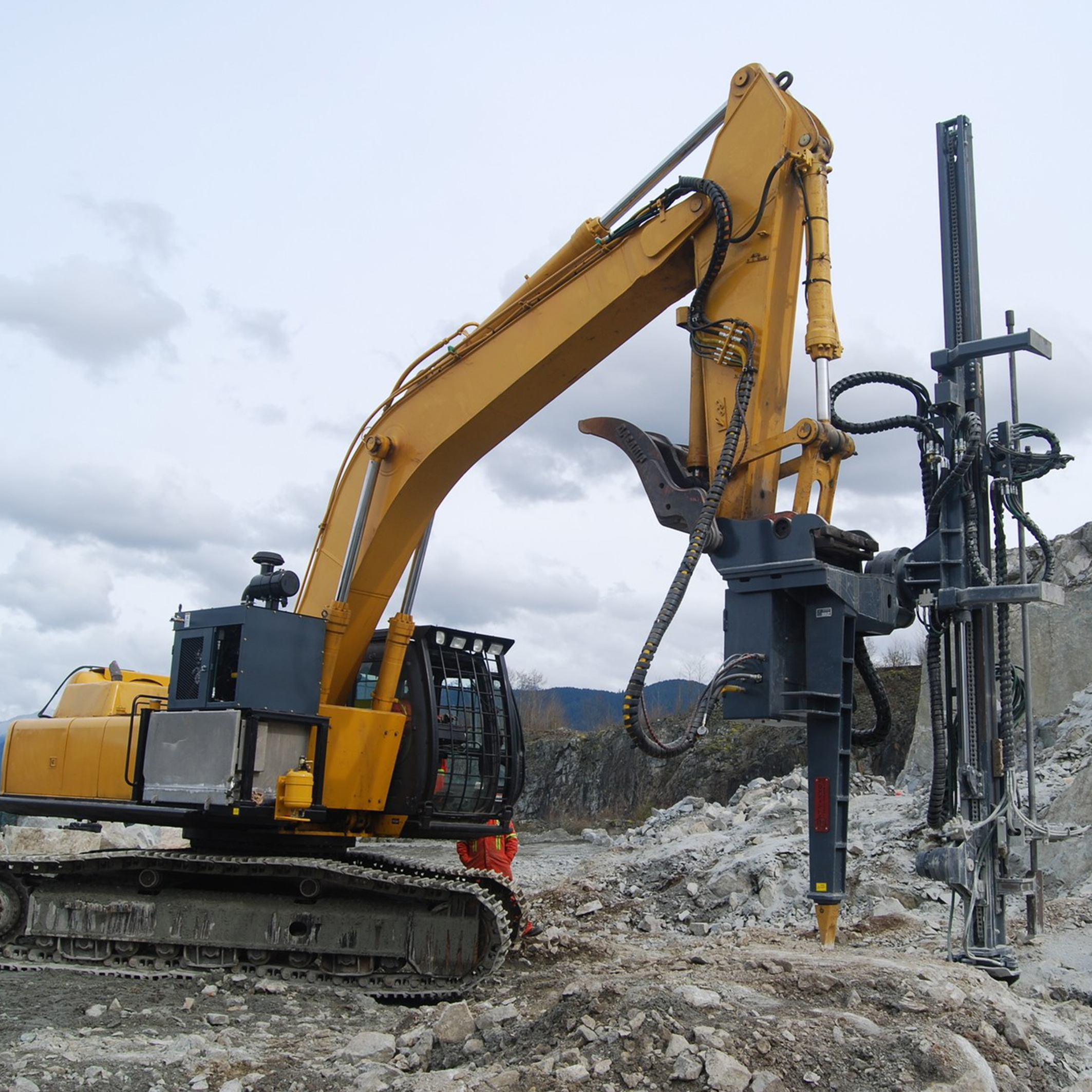
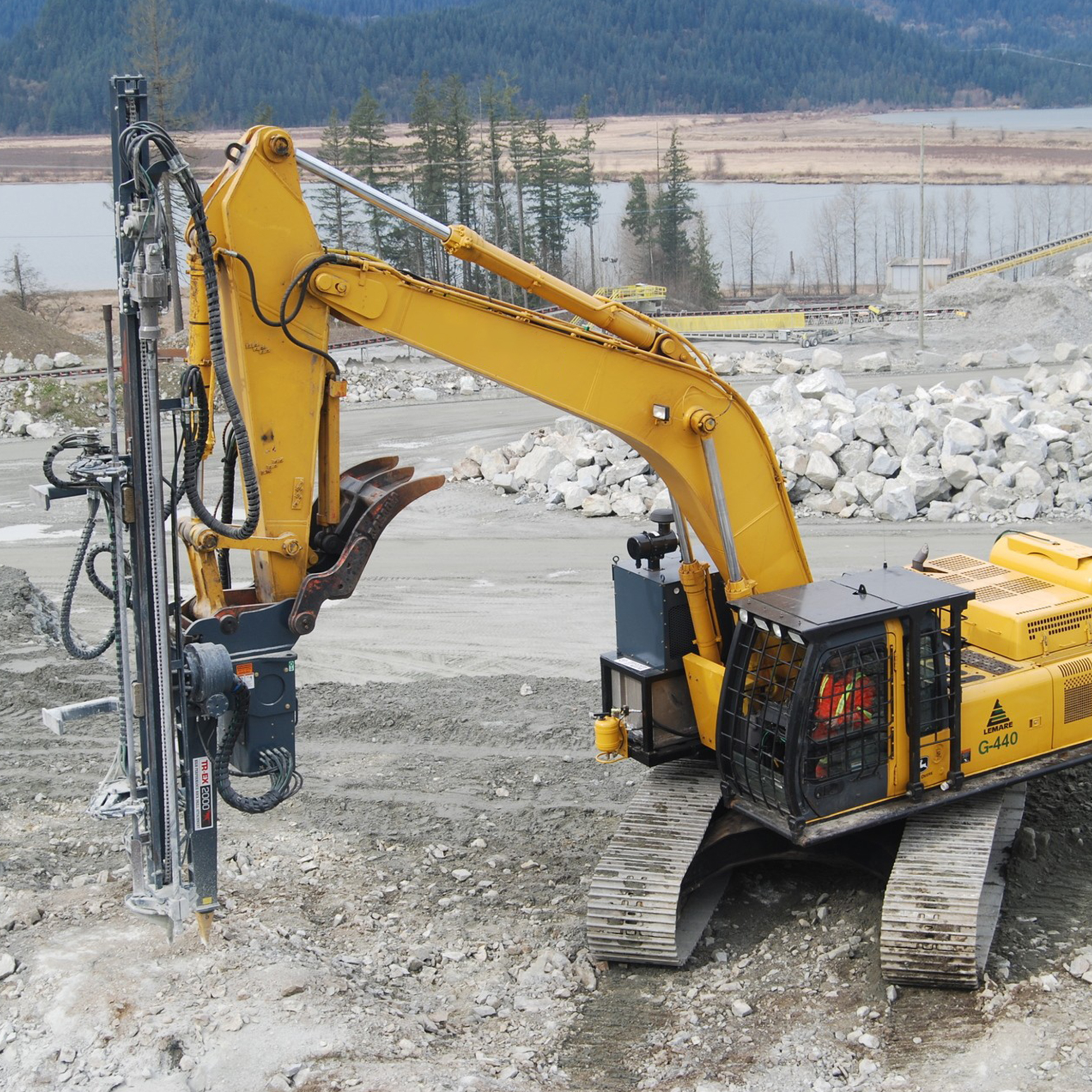
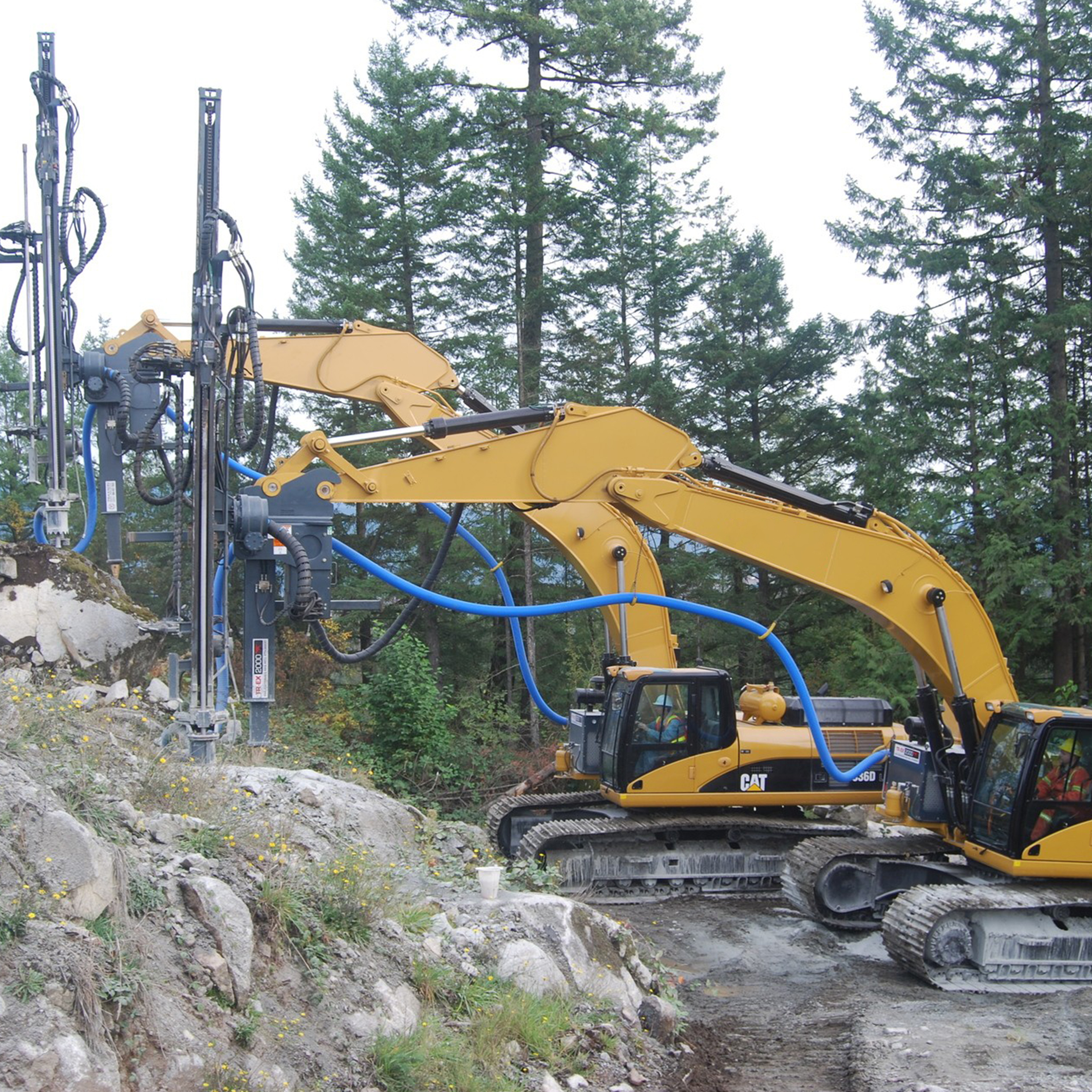
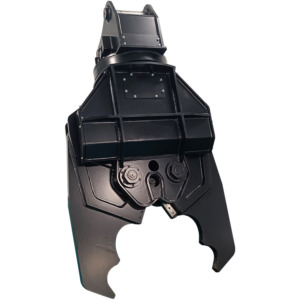
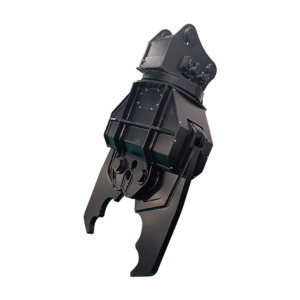
The Drilling Mast Attachment is a practical solution for contractors who want to add controlled drilling capability to an excavator or compatible carrier. The mast plays a central role in guiding the drill, supporting alignment, and keeping operation stable on uneven ground. With the right mounting setup, this attachment becomes useful for rock drilling, anchor holes, slope stabilization, quarry work, and other surface jobs that demand flexible positioning.
Flexible Positioning for Difficult Work Sites
A Drilling Mast Attachment works well on sites where the drill must reach difficult positions. Mounted on an excavator boom, the mast can approach walls, benches, slopes, and trench edges from different angles. That helps crews handle work on mountain roads, retaining structures, and rough quarry surfaces without relying on a separate drilling carrier. The attachment approach keeps the site layout more compact and easier to manage.
Key Applications Across Industries
Contractors use a Drilling Mast Attachment for anchor drilling, rock bolts, presplit drilling, blast hole preparation, and general construction drilling in hard ground. It supports civil engineering, roadway projects, hydro works, and quarry development. Because the attachment moves with the excavator, relocation between drilling points is faster, and crews can maintain a steadier workflow across spread-out drilling patterns or changing site conditions.
Critical Quality Features for Performance
The quality of a Drilling Mast Attachment directly affects daily performance. A rigid structure, secure feed system, and protected hydraulic routing help the mast stay controlled during drilling. These features also support better hole alignment and more reliable field use in dusty, rocky environments. Clear service access is important too, because crews need to inspect the mast, hoses, and structural points quickly before each shift begins.
Cost-Efficiency and Equipment Utilization
Many companies choose a Drilling Mast Attachment because it gives them more flexibility from the machines they already own. A suitable excavator can serve as a drilling carrier when the project demands it and return to other tasks later. This improves equipment utilization and can simplify transport planning. For fleets that handle mixed work, the attachment approach provides practical value without requiring a permanent dedicated rig for every job.
Reliability for Outdoor and Long-Term Projects
On outdoor projects, reliability depends on more than raw drilling power. A good Drilling Mast Attachment must handle repeated repositioning, uneven ground, dust, and vibration while staying easy to inspect and maintain. Strong construction and practical component layout help reduce downtime and support safer work habits. These details are especially important on long-term quarry or slope jobs where crews need dependable equipment every day.
Conclusion: A Valuable Tool for Contractors
For contractors who need drilling guidance, stability, and adaptable positioning on surface jobs, the Drilling Mast Attachment is a strong choice. It helps turn an excavator into a more capable drilling machine for rock work, anchor holes, and civil support drilling. With better reach and attachment-based flexibility, it delivers real value on demanding field projects.