Introduction and Core Applications
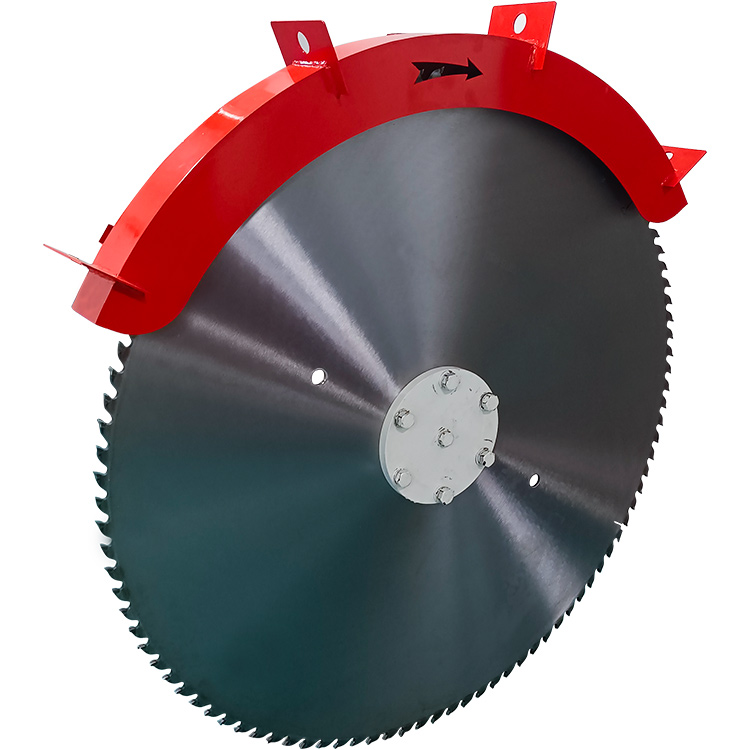
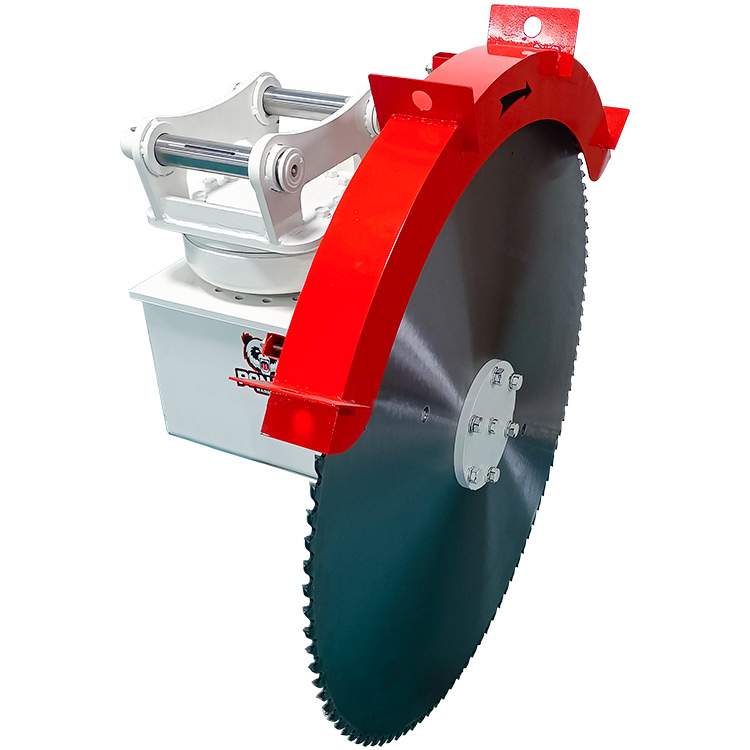
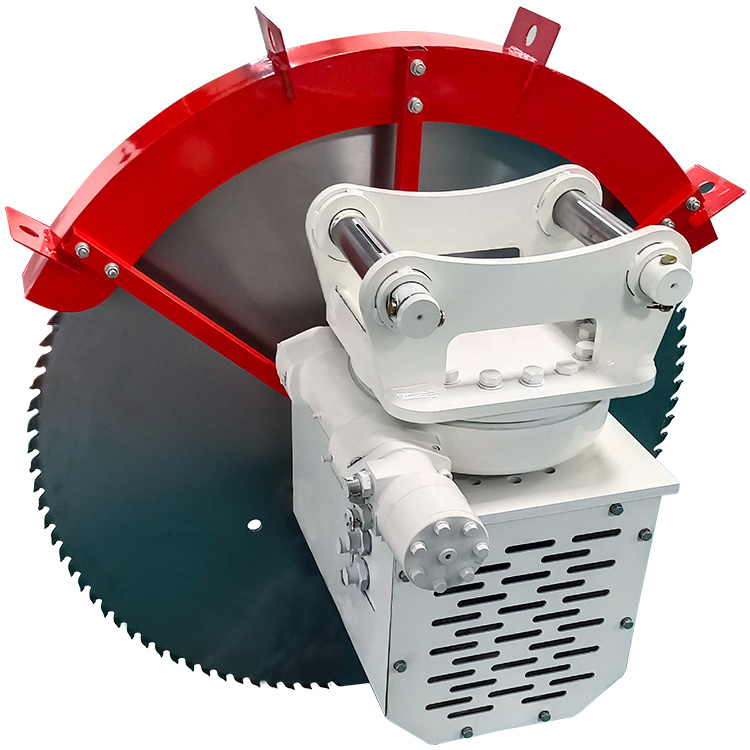
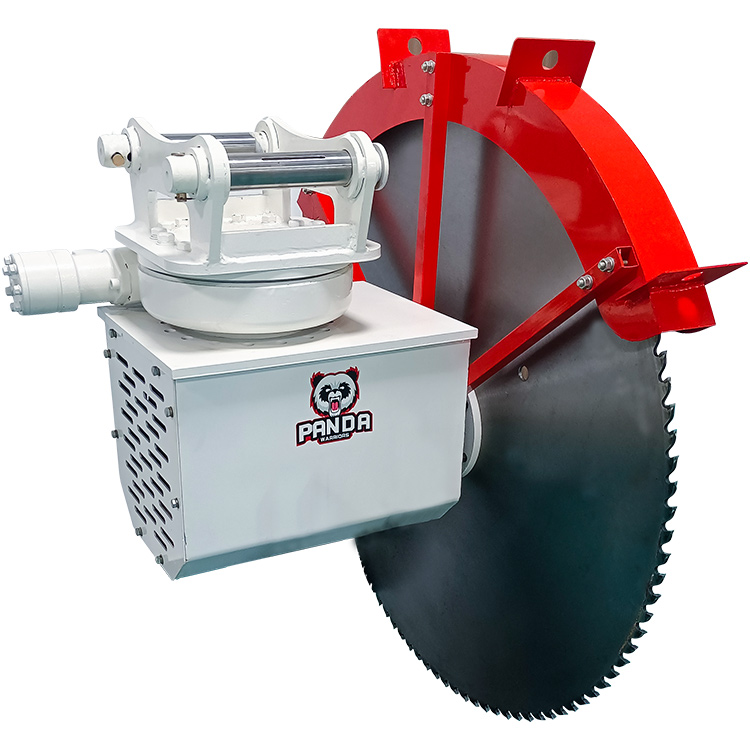
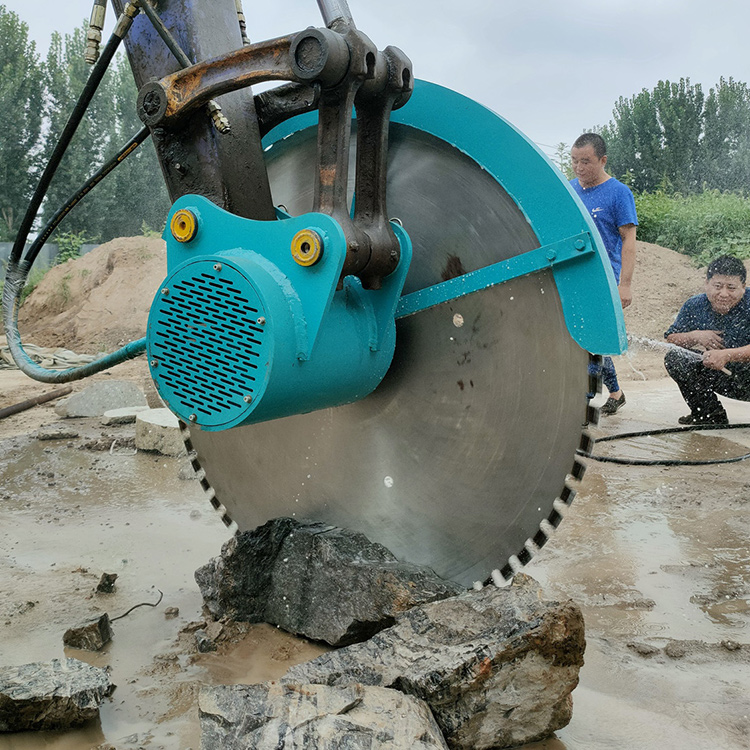
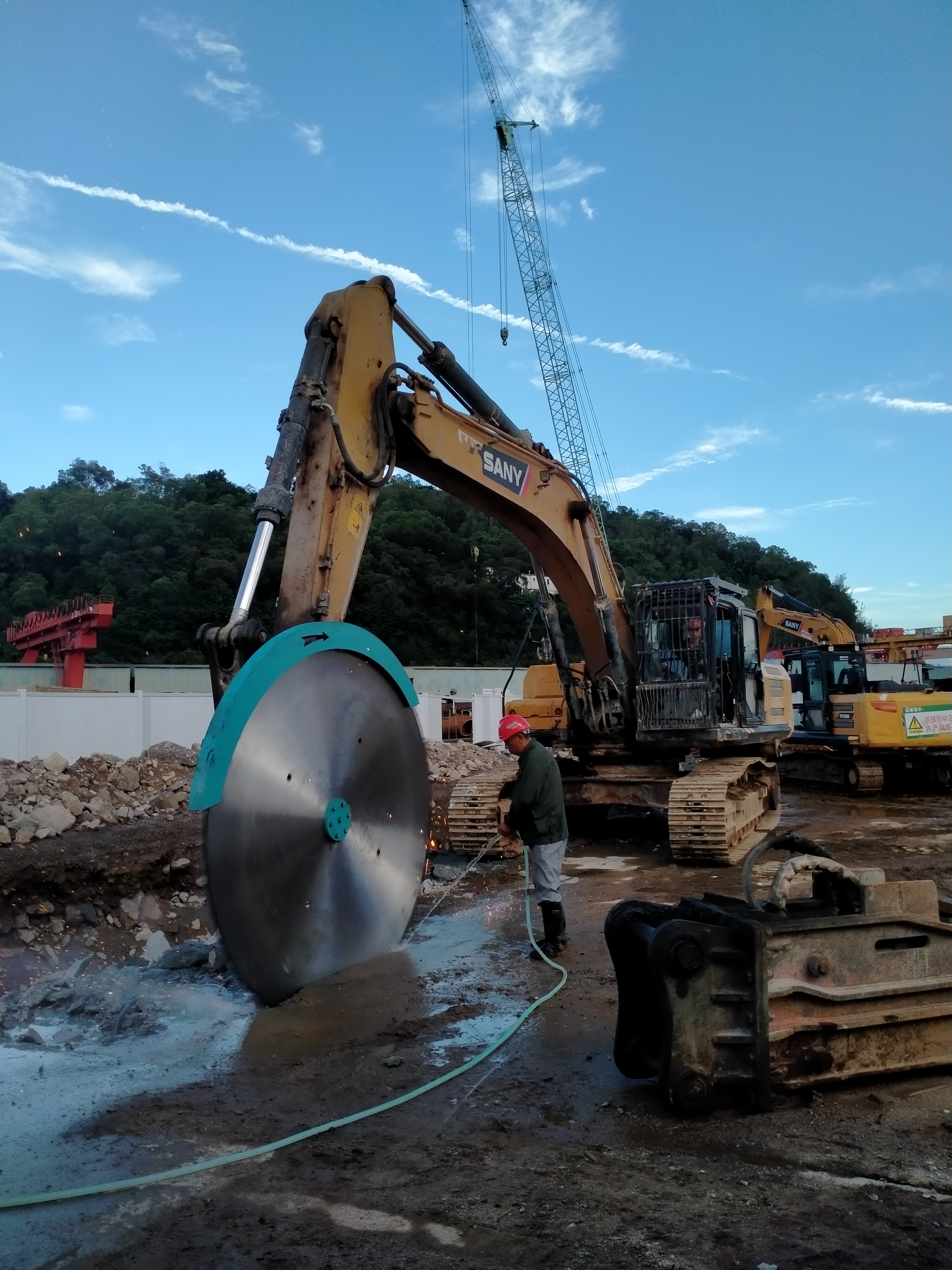
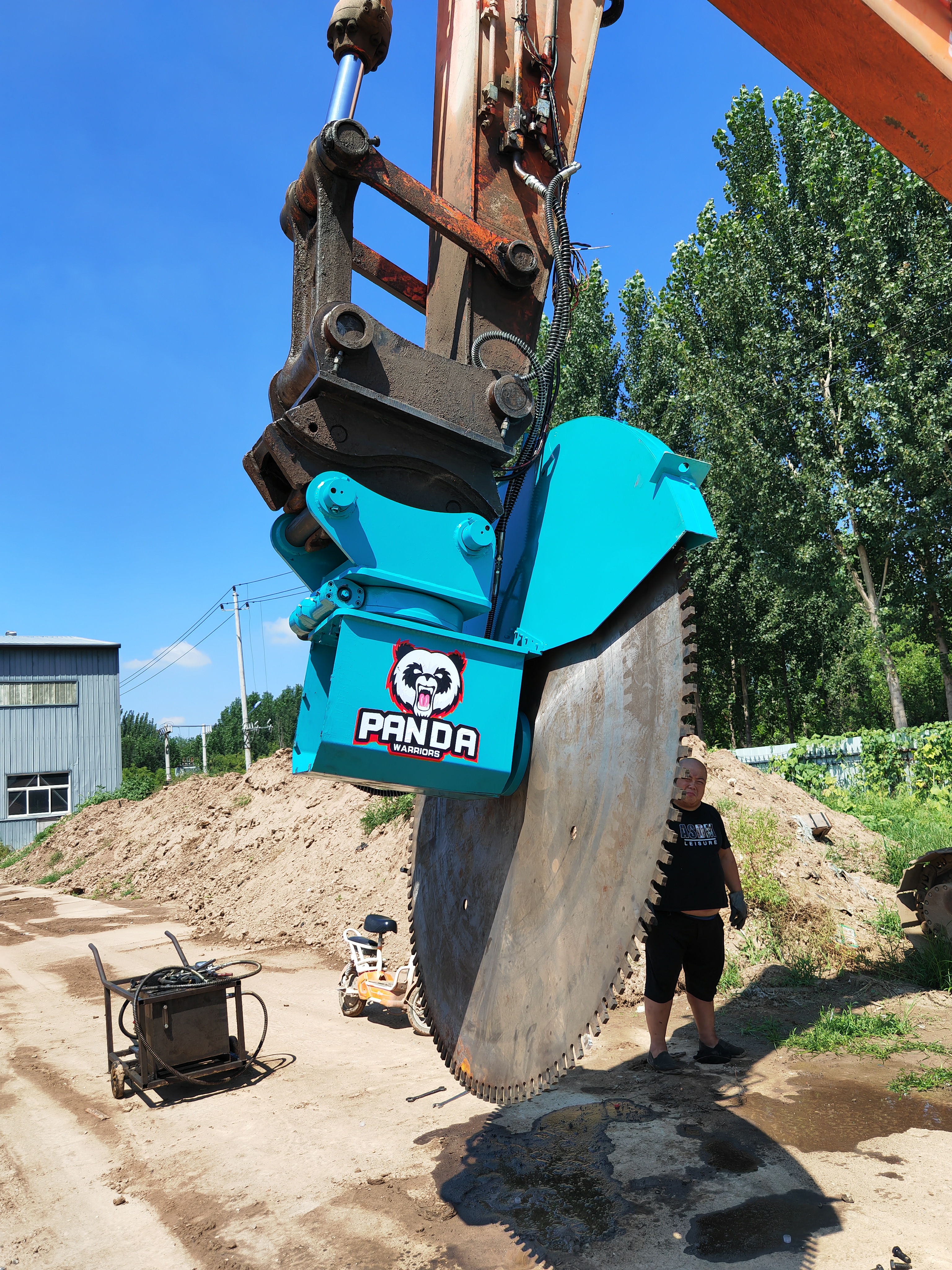
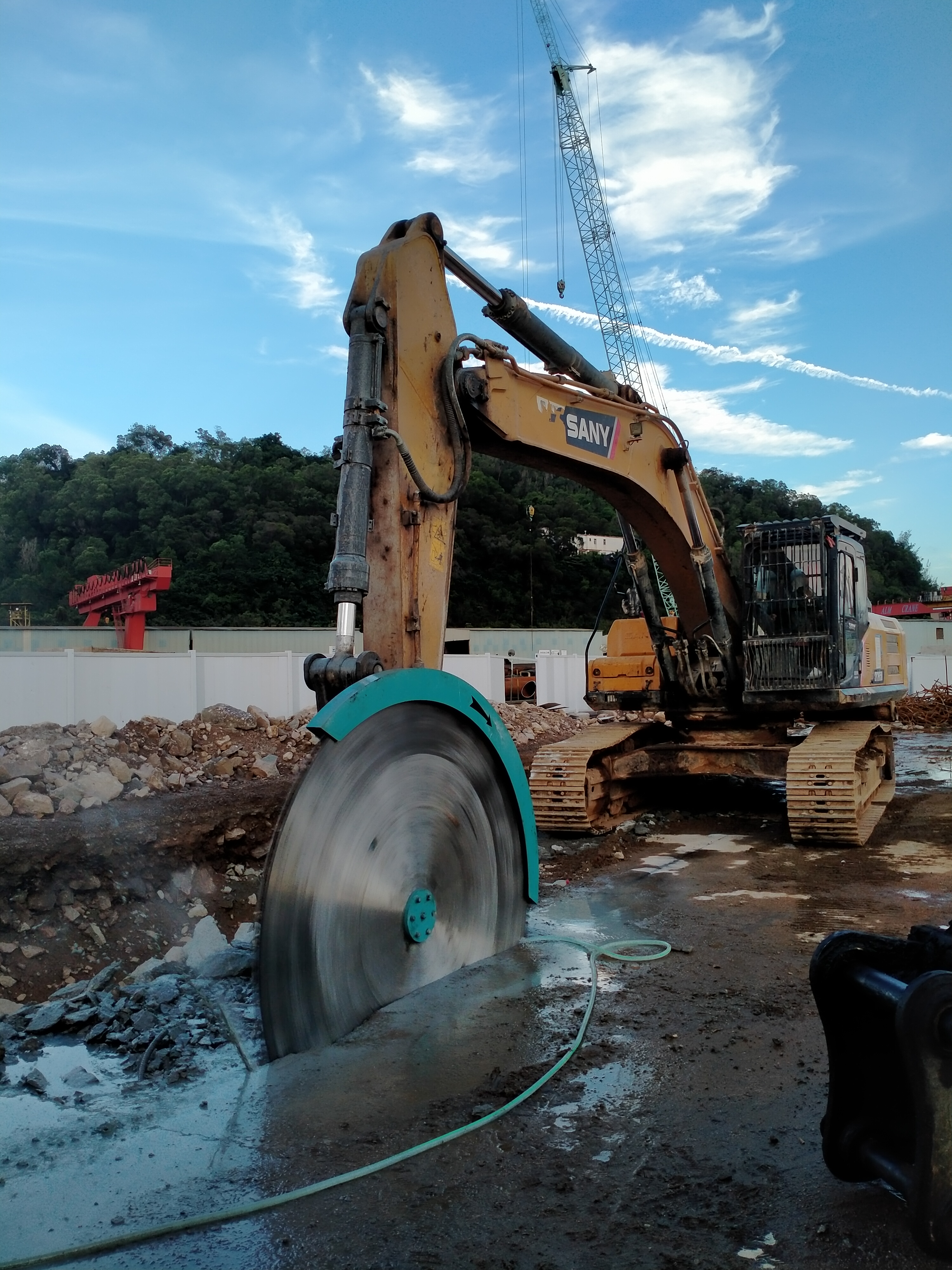
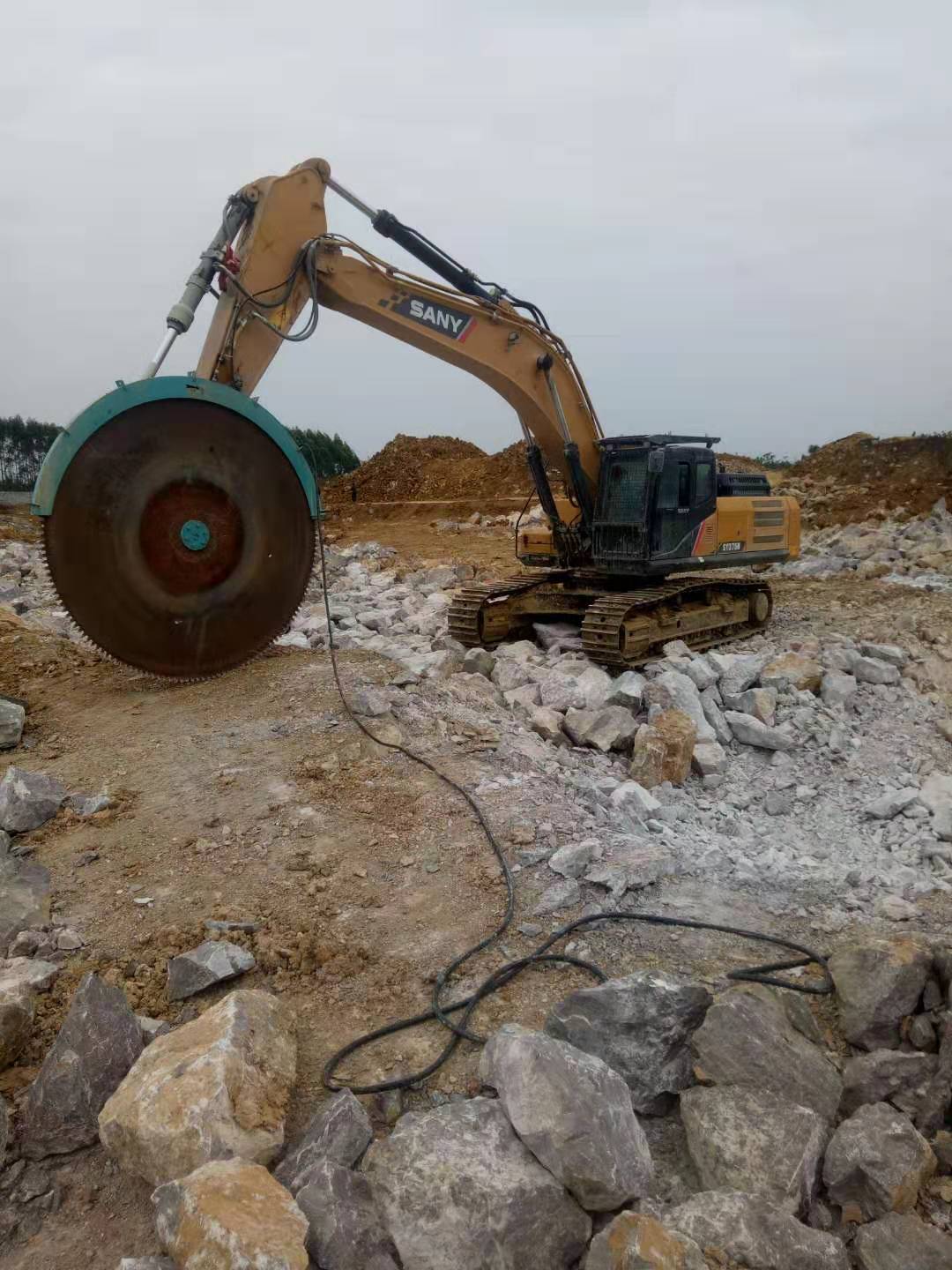
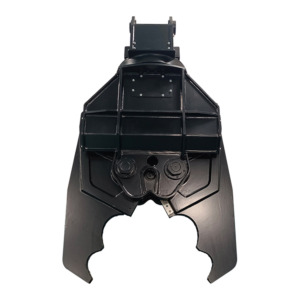
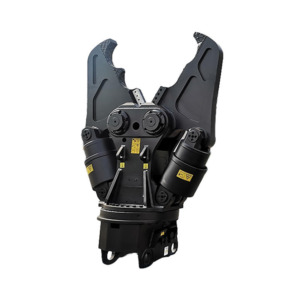
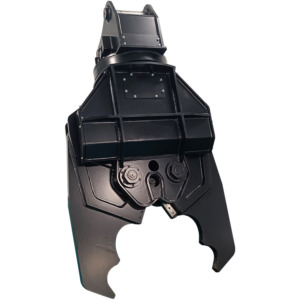
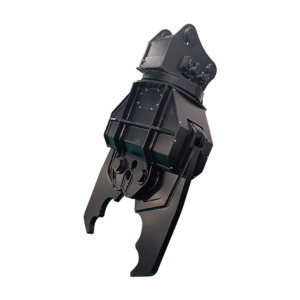
Rock Saw equipment gives contractors a controlled way to cut hard material when rough impact tools are not the best option. Instead of depending on repeated blows, the rotating blade follows a defined line and opens a cleaner cut through rock, stone, and concrete. That makes a Rock Saw useful on projects where precision matters, such as utility trenching, quarry separation, road reconstruction, and structural removal. A Rock Saw can also help crews prepare material for lifting or secondary breaking, which improves planning and keeps the job moving in a more orderly way.
Key Advantage: Balance of Cutting Force and Accuracy
One reason buyers choose a Rock Saw is the balance it offers between cutting force and accuracy. On many sites, crews need more than raw power. They also need a tool that can stay on line, control depth, and limit damage outside the target area. A Rock Saw supports that kind of work by creating a narrow, deliberate cutting path. This helps contractors leave cleaner edges, reduce follow-up trimming, and make the next stage of excavation or demolition easier. When work takes place near walls, pipes, footings, or existing surfaces, that controlled approach becomes even more valuable.
Operational Flexibility Across Job Conditions
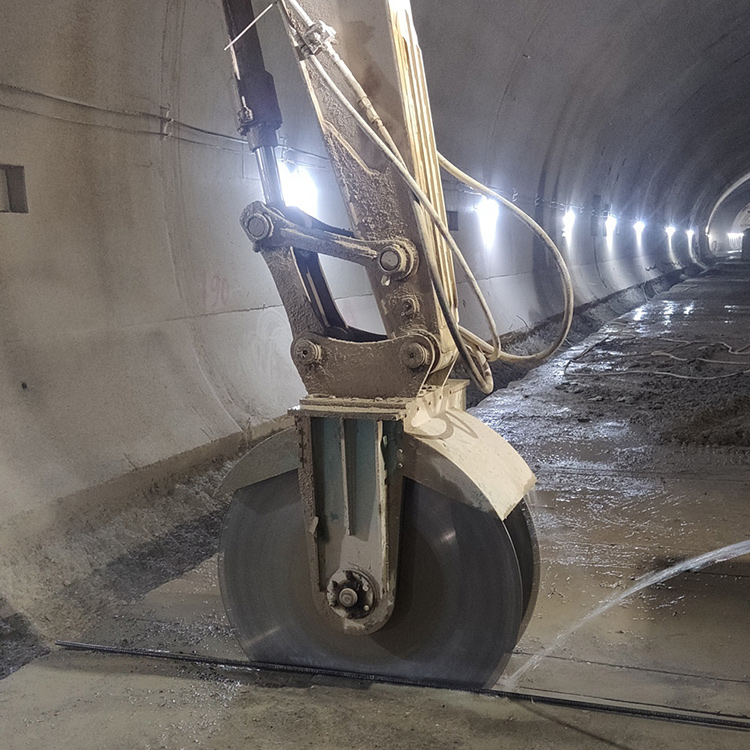
A Rock Saw also brings flexibility to different job conditions. It can be used in quarry operations to separate stone blocks or open cut lines before splitting. Civil contractors use it for trenching, drainage channels, retaining wall work, and concrete removal. Demolition teams use it to pre-cut sections before lifting or breaking them apart. Tunneling and mining crews can apply a Rock Saw where they need a more measured excavation process. Because it works in both open and restricted areas, the same attachment can support several different project types across a contractor’s schedule.
Reliable Performance in Demanding Environments
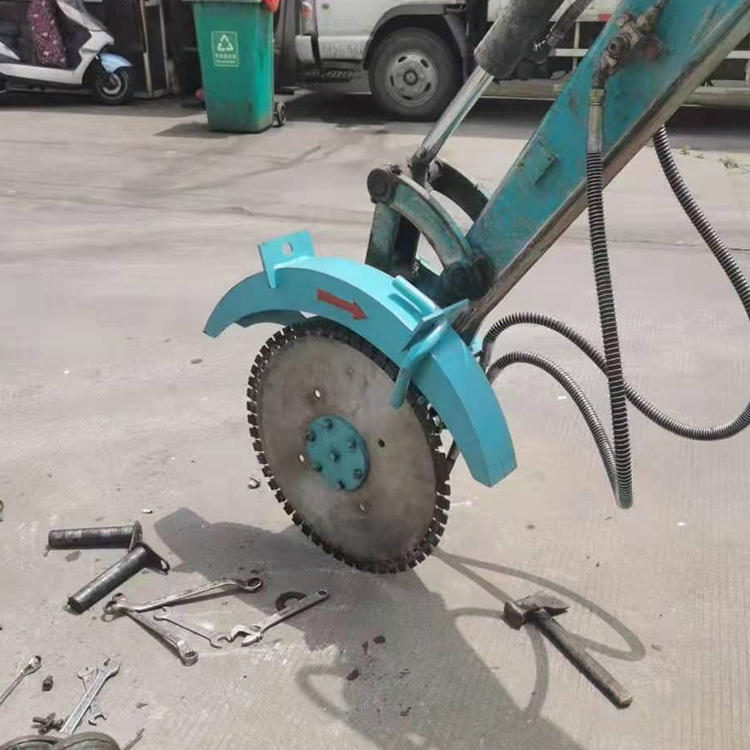
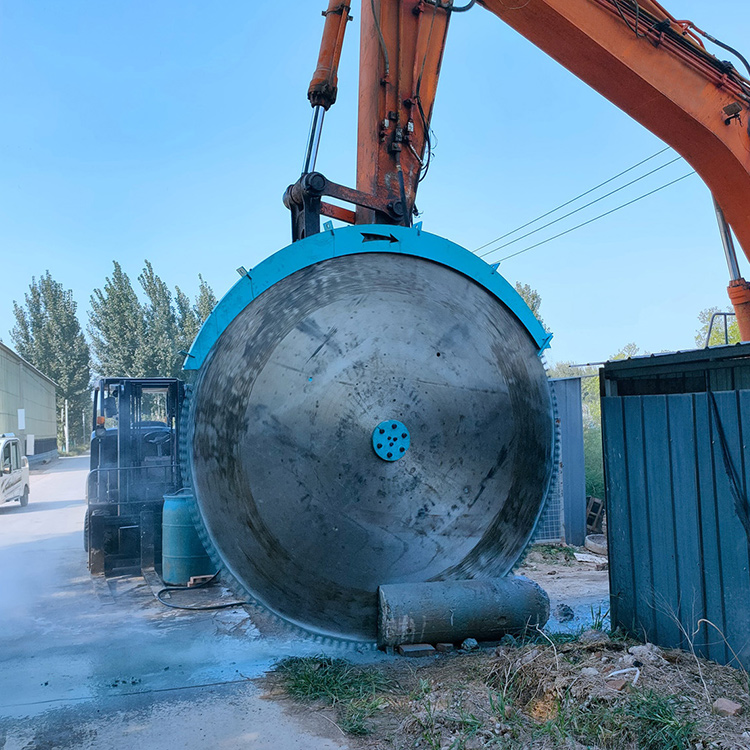
Reliable performance matters just as much as cutting ability. A Rock Saw must handle long work cycles, heavy material resistance, and changing site conditions without becoming difficult to control. A strong drive system, solid mounting structure, and balanced blade setup help the attachment stay productive through demanding tasks. Operators can guide the cut steadily and adjust the working position with the carrier machine, which helps them maintain a clear line even when the terrain is uneven. This combination of stability and control is one of the main reasons why a Rock Saw remains a practical choice for professional crews.
Maintenance and Daily Care
From a maintenance standpoint, daily care is straightforward. Crews inspect the blade, check connections, monitor hoses and seals, and keep an eye on normal wear areas. Water can be used during cutting to help manage dust and support blade cooling in tough applications. With proper routine service, a Rock Saw can stay ready for repeated jobs in quarry, foundation, utility, and demolition work. Contractors value tools that do not complicate the workflow, and this attachment fits that expectation by combining strong cutting performance with manageable upkeep.
Overall Value: More Than a Specialty Tool
A Rock Saw is more than a specialty tool. It is a jobsite solution for teams that want cleaner results, better line control, and a more efficient way to handle hard material. It helps reduce unnecessary surface damage, supports more deliberate removal methods, and gives operators greater confidence when working around sensitive areas or planned cut paths. Whether the project involves natural stone, mixed ground, structural concrete, or trench preparation, a Rock Saw gives crews a dependable method for cutting through demanding material while maintaining control over the outcome. It also helps contractors present a more professional finish to owners and project managers.